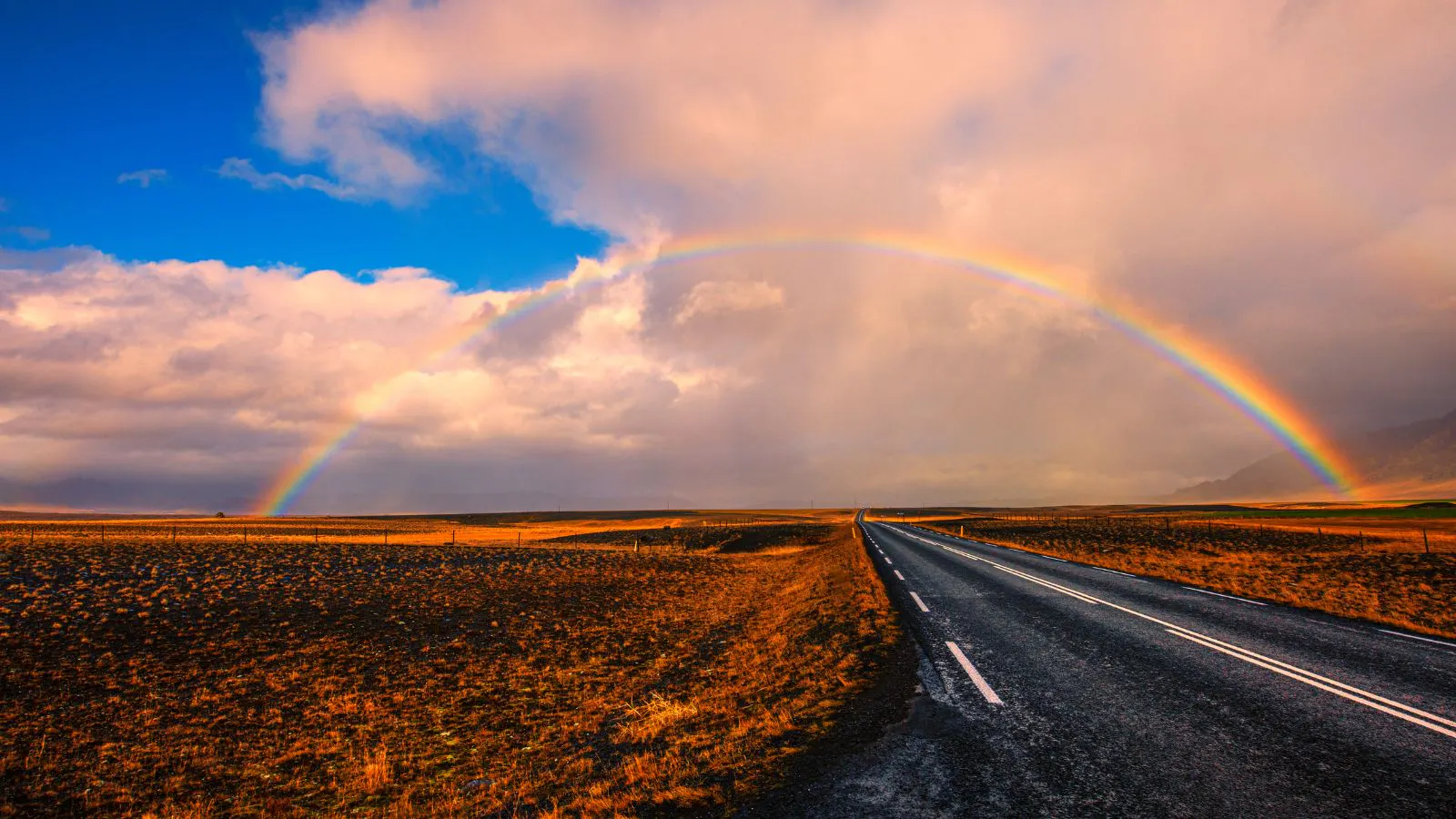
Iceland's weather is changeable in every season, so the most useful way to choose your travel dates is to balance daylight, the type of trip you want, and how much flexibility you can give your route. Summer brings the longest days and broadest road access. Winter brings long nights and a stronger chance of snow, ice, and wind. Spring and fall sit between those extremes. There’s no bad month to visit, only months that suit different trips, and this guide will help you find yours. For a broader trip-planning overview, see our guide to the best time to visit Iceland.
Iceland Weather by Month at a Glance
The comparison below uses Reykjavík station averages for 1991–2020 from the Icelandic Meteorological Office. Treat it as a planning guide, not a forecast. Conditions vary by region, elevation, and wind exposure. Winters in Reykjavík are milder than in the north and the Westfjords, so bear this in mind and always research your specific destinations when planning.
What Iceland Weather Really Means for a Road Trip
Temperature alone doesn’t tell the full story. Icelanders even have a word for weather that looks better than it feels:
gluggaveður
, or “window weather”. It’s the kind of day that looks perfect from indoors, with bright sun and blue skies, until you step outside into a freezing wind. Iceland’s weather comes straight off the Atlantic, so it changes fast, and the south and west get noticeably more rain than the north. Wind, rain, visibility, and road surface can matter more than the number on a thermometer.
Build room into each driving day, particularly from September through April. Check the Icelandic Meteorological Office forecast, the Icelandic Road and Coastal Administration road map (umferdin.is), and SafeTravel before you set off each morning, and again before any long or exposed stretch, such as a mountain pass. A route that looks fine on a general map may be affected by wind, ice, snow, construction, or a short-notice closure. The Icelandic Met Office issues yellow, orange and red weather warnings. An orange or red warning on your route is a reason to change your plans, not push on.
Wind is the one most visitors underestimate. Forecasts give wind speed in meters per second (m/s), not mph or km/h. Multiply by roughly 2.2 to get mph, so a 20 m/s gust is about 45 mph. Strong gusts can push a car across the road, especially a campervan or another high-sided vehicle.
Wind also affects your car when it’s parked. Always park facing into the wind, and hold the door firmly with both hands when you open it. A gust can bend a door back on its hinges in seconds, and wind-blown door damage isn’t covered by any rental insurance in Iceland, including ours.
On the South Coast, strong winds can also blow sand and volcanic ash across the road, which can strip paint and pit glass in minutes. Basic collision cover (CDW) doesn’t include this damage. Our Premium and Platinum packages include Sand and Ash Protection.
Choose Your Month by What You Want to Do
Not sure which month to pick? Start with what matters most to you:
• Long daylight and flexible Ring Road days: June or July
• Warmest average temperatures: July or August
• Long days with fewer summer crowds: May, early June, or September
• Northern Lights planning: September through March. You need darkness and clear skies, and clear skies are never guaranteed.
• Snowy landscapes and ice caves: November through March, with shorter driving days
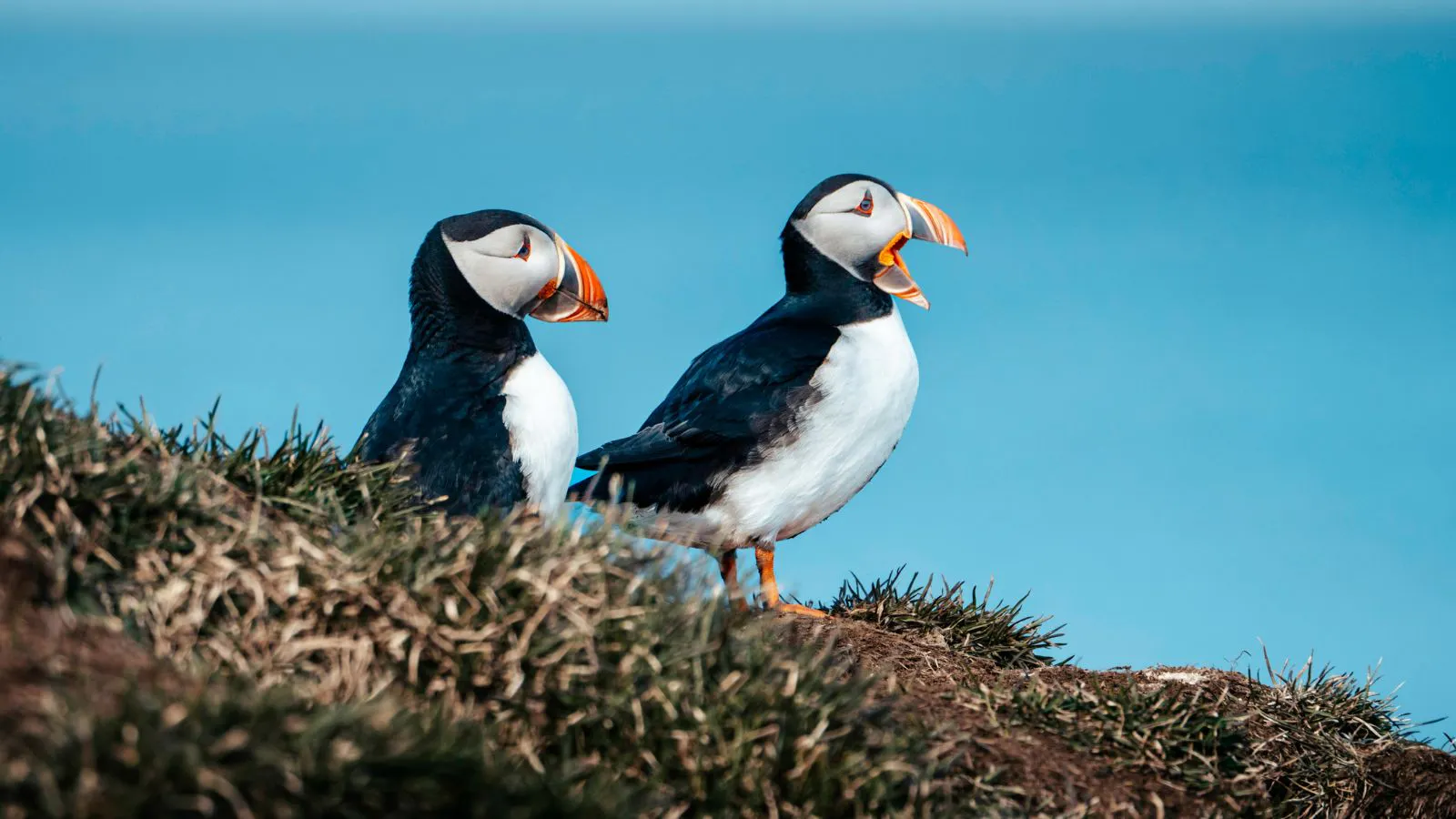
• Puffins: May to mid-August
• Highland plans: summer only, usually from late June or July to early September, and only after you have checked current road status and the route's vehicle requirements
Iceland’s Weather Month by Month: In Detail
January
Avg. temps (Reykjavík)
High 3°C (38°F) / Low -2°C (29°F)
Avg. temps (Akureyri)
High 3°C (37°F) / Low -4°C (26°F)
Expected weather
Strong winds, snow and sleet, frequent storms, icy roads
Daylight is very short, and winter conditions can affect even familiar routes. Plan fewer stops, keep driving days conservative, and make your itinerary flexible. Pack insulated layers, waterproof outerwear, gloves, and a warm hat. If you are choosing a vehicle for a winter trip, see our guide to the best cars for winter in Iceland.
February
Avg. temps (Reykjavík)
High 3°C (38°F) / Low -2°C (29°F)
Avg. temps (Akureyri)
High 3°C (37°F) / Low -4°C (26°F)
Expected weather
Wind, snow and sleet, changeable conditions, some clear cold days
Avg. daylight
~8 hours
Best things to do
Northern lights, ice caves, winter whale watching, Winter Lights Festival
Days start to lengthen, but winter driving conditions can still occur. It's a good month for travelers who want winter landscapes and evening darkness, provided they're comfortable changing plans when conditions require it.
March
Avg. temps (Reykjavík)
High 4°C (40°F) / Low -1°C (30°F)
Avg. temps (Akureyri)
High 4°C (38°F) / Low -3°C (27°F)
Expected weather
Wind, mixed snow and rain, fast-changing conditions
Avg. daylight
~11.5 hours
Best things to do
Northern Lights around the equinox, Golden Circle, snowmobiling
March offers noticeably more daylight than midwinter, but it can still feel like winter. Use it for a balanced cold-season road trip, not as a guarantee of spring roads. Check conditions before leaving each morning.
April
Avg. temps (Reykjavík)
High 7°C (44°F) / Low 1°C (34°F)
Avg. temps (Akureyri)
High 7°C (44°F) / Low 0°C (31°F)
Expected weather
Rain and sleet, occasional snow, milder spells, lingering wind
Avg. daylight
~14.5 hours
Best things to do
Whale watching, waterfalls, Golden Circle, early puffin arrivals late in the month
April is a transition month. Daylight grows quickly, and lower-elevation routes may feel more accessible, but snow, ice, and wind can still affect travel. Pack for both rain and cold snaps.
May
Avg. temps (Reykjavík)
High 10°C (50°F) / Low 4°C (39°F)
Avg. temps (Akureyri)
High 10°C (51°F) / Low 3°C (38°F)
Expected weather
Cool and breezy, drier than most months, light showers
May is a practical choice for longer road-trip days without peak-summer daylight crowds. Keep a warm, windproof layer close by, especially on exposed coastal stops.
June
Avg. temps (Reykjavík)
High 13°C (55°F) / Low 7°C (45°F)
Avg. temps (Akureyri)
High 14°C (57°F) / Low 7°C (44°F)
Expected weather
Mild and mostly dry, light rain, breezy at the coast
Avg. daylight
~20.5 hours (near-continuous light around the solstice)
Best things to do
Midnight sun, Snæfellsnes, puffins, hiking, first Highland roads opening
June has Iceland's longest days, with light around the summer solstice for almost 24 hours in much of the country. That creates flexibility for sightseeing, but it doesn't remove the need for rain gear or a wind layer. Some Highland routes may open later in the month, depending on conditions. If you are planning a warm-season route, read our guide to driving in Iceland in summer.
July
Avg. temps (Reykjavík)
High 15°C (59°F) / Low 9°C (48°F)
Avg. temps (Akureyri)
High 15°C (59°F) / Low 9°C (47°F)
Expected weather
Warmest month, mostly mild, occasional rain and wind
Avg. daylight
~20 hours
Best things to do
Highlands and F-roads, Landmannalaugar hiking, whale watching, camping and road trips
July is typically the warmest month. It suits travelers who want broad road-trip possibilities, long daylight, and hiking plans. Popular places can be busy, so book key stays and vehicles early. If the Highlands are on your list, you’ll need a 4x4 for F-roads.
August
Avg. temps (Reykjavík)
High 14°C (57°F) / Low 9°C (47°F)
Avg. temps (Akureyri)
High 15°C (59°F) / Low 8°C (46°F)
Expected weather
Mild, increasing rain, windier towards month end
Avg. daylight
~17 hours
Best things to do
Highlands, hiking, berry picking, Reykjavík Culture Night, first Northern Lights late in the month
August stays mild by Icelandic standards, with a little less daylight than July and a gradual return of darker evenings. It's a strong option for road trips, wildlife-focused itineraries, and travelers who want summer access with a first chance of the Northern Lights late in the month.
September
Avg. temps (Reykjavík)
High 11°C (53°F) / Low 6°C (43°F)
Avg. temps (Akureyri)
High 12°C (53°F) / Low 5°C (42°F)
Expected weather
Cooler, wetter and windier, first frosts inland, early snow on high ground
Avg. daylight
~13.5 hours
Best things to do
Northern Lights, fall colours, Highlands (early September), sheep round-ups
September brings shorter days, cooler average temperatures, and a more fall-like feel. It can work well for a flexible Ring Road itinerary, but weather can change quickly. If you hope to see the Northern Lights, remember that darkness is only one part of the equation. For autumn-specific route advice, read our guide to driving in Iceland in the fall.
October
Avg. temps (Reykjavík)
High 8°C (46°F) / Low 3°C (37°F)
Avg. temps (Akureyri)
High 7°C (44°F) / Low 1°C (34°F)
Expected weather
Rain, strong winds, first snow in the north, shortening days
October is a real shoulder month: daylight drops quickly, and cold, wet, or windy days can become part of the plan. Choose shorter routes, avoid tight connections, and check the road map before setting out.
November
Avg. temps (Reykjavík)
High 5°C (40°F) / Low 0°C (32°F)
Avg. temps (Akureyri)
High 4°C (38°F) / Low -2°C (28°F)
Expected weather
Cold, dark and stormy, snow and rain mix, icy conditions
Avg. daylight
~6.5 hours
Best things to do
Northern Lights, Iceland Airwaves, ice cave season starting, early Christmas markets
November has limited daylight and an increasing chance of winter travel conditions. It's better suited to travelers who are happy with a slower itinerary and the possibility of changing plans. Keep your accommodation stops and driving distances realistic. On a wet or stormy day, do what Icelanders do and head to the local swimming pool. Almost every town has a geothermal pool with hot tubs, and they’re far cheaper and quieter than the famous lagoons.
December
Avg. temps (Reykjavík)
High 3°C (38°F) / Low -2°C (29°F)
Avg. temps (Akureyri)
High 3°C (37°F) / Low -4°C (26°F)
Expected weather
Cold, windy, snow and sleet, storms possible, very short days
Avg. daylight
~4.5 hours (around 4 at the solstice)
Best things to do
Ice caves, Northern Lights, Christmas markets and Yule Lads, New Year’s Eve bonfires and fireworks December has the shortest days of the year. Sunrise to sunset is only around 4 hours, but long twilight on either side means there’s usable light for roughly 6 to 7 hours, enough for a short drive and plenty of photos. Use a simple route, make daylight hours count, and don’t try to cover the whole country in a few days. A clear, dark night can be useful for aurora viewing, but weather and cloud cover still decide whether you see it.
How Weather Changes Across Iceland
Iceland’s weather changes a lot from region to region. The south and west coasts tend to get the most rain, while the north and the interior have colder winters. The Highlands sit higher and more exposed than anywhere else, so conditions there can turn quickly. A countrywide average is handy for deciding what to pack, but on the day you’ll want to check the forecast for your actual route. Those regional differences can also work in your favor. When the South Coast is wet and windy, the north and east are often drier and brighter, and the reverse happens too. If you haven’t booked every night’s accommodation in advance, check the forecast before you set off and choose whether to drive the Ring Road clockwise or counterclockwise based on where the better weather is. For what to expect from paved, gravel, and mountain roads in each region, see our guide to roads in Iceland.
Driving and Packing Checklist
Iceland’s weather is easier to handle when you’re prepared for it. Run through this list before you set off, especially if you’re traveling between September and April.
Before you drive
Check the forecast, road map and SafeTravel before you leave each morning, and again before any long or exposed stretch. Look out for yellow, orange or red weather warnings on your route.
Leave a travel plan with SafeTravel and download the 112 Iceland app. If you need help, the app can send your location to the emergency services.
Plan your driving around daylight in winter. Aim to reach your accommodation before dark, especially on routes you don’t know.
Download offline maps. Mobile coverage is good on the Ring Road but patchy in the Westfjords, the East and the Highlands.
Fill up whenever you can outside the southwest. Gas stations can be far apart. Many pumps are self-service and ask for a PIN, so if your card doesn’t have one, buy a prepaid fuel card inside the station while it’s open. Find out more about gas stations in Iceland.
Save our 24-hour breakdown number (+354 793 3030) and call 112 in an emergency.
Learn one Icelandic word: Lokað, meaning “closed”. You’ll see it on signs and barriers when a road is shut, and it means the road is closed to all traffic. Don’t drive around the barrier.
Your car
Choose the right car for the season. A 4x4 is required for F-roads in summer and gives you more confidence in snow and ice in winter.
Winter tires: our cars are fitted with winter tires between November and mid-April.
Clear all snow and ice before you drive, including the roof, lights, and every window, not just a patch on the windshield.
Park facing into the wind and hold the door with both hands. Wind-blown door damage isn’t covered by any of our insurance options.
Slow down on gravel and when meeting oncoming traffic, as stones thrown up by other cars are a common cause of windshield damage.
What to pack
Layers in every season: a base layer, a warm mid-layer such as fleece or wool, and a windproof, waterproof outer shell. Even in July, evenings and exposed viewpoints can feel cold.
A warm hat, gloves, and a scarf or buff year-round. You’ll want them at waterfalls and on the coast, even in summer.
Waterproof hiking shoes or boots with good grip. Paths at waterfalls and black sand beaches are often wet.
Microspikes or ice cleats from November to March. Parking lots and paths at popular sights can be sheer ice.
A swimsuit and quick-dry towel for geothermal pools.
A sleep mask from May to August, when it barely gets dark.
A headlamp or flashlight from September to April, for dark mornings, evenings and Northern Lights stops.
A car phone charger, as you’ll rely on your phone for navigation, road conditions and forecasts.
Frequently Asked Questions
What is the best month for weather in Iceland?
July is typically the warmest month in the Reykjavík 1991-2020 averages, with average highs of around 15°C (59°F), but no month guarantees settled weather. June and August are also strong choices for long daylight and road-trip flexibility.
What is Iceland's weather like in summer?
Summer days are cool rather than hot. Even in midsummer, the sun doesn’t warm the air much, and average highs in Reykjavík stay around 13–15°C (55–59°F), so bring a windbreaker, rainwear, and a warm layer.
What is the coldest month in Iceland?
In Reykjavík, February has the lowest average daily low, at about -1.9°C, with January and December almost as cold. Actual conditions vary, especially away from the coast and at higher elevations.
Can you drive around Iceland in winter?
Yes. The Ring Road and most main roads stay open all year, but storms can close sections at short notice, and F-roads are closed throughout the winter. Check official weather and road information before each journey, and be ready to delay or change plans. Winter conditions can also occur in spring and fall. Our guide to driving in Iceland in winter covers what to expect.
When can you see the Northern Lights in Iceland?
From September through March, when the nights are dark enough. You also need clear skies and some solar activity, so no month guarantees a sighting. Get away from town lights, and check the Icelandic Met Office aurora forecast, which also shows cloud cover.
Plan Your Iceland Road Trip
Start with the month that gives you the daylight and experiences you want, then build an itinerary with room for changing conditions. When your dates are set, browse GO Iceland's fleet to find a vehicle that suits your route and passengers.