May 5, 2026
Driving in Iceland in Summer (June, July & August): The Complete Guide
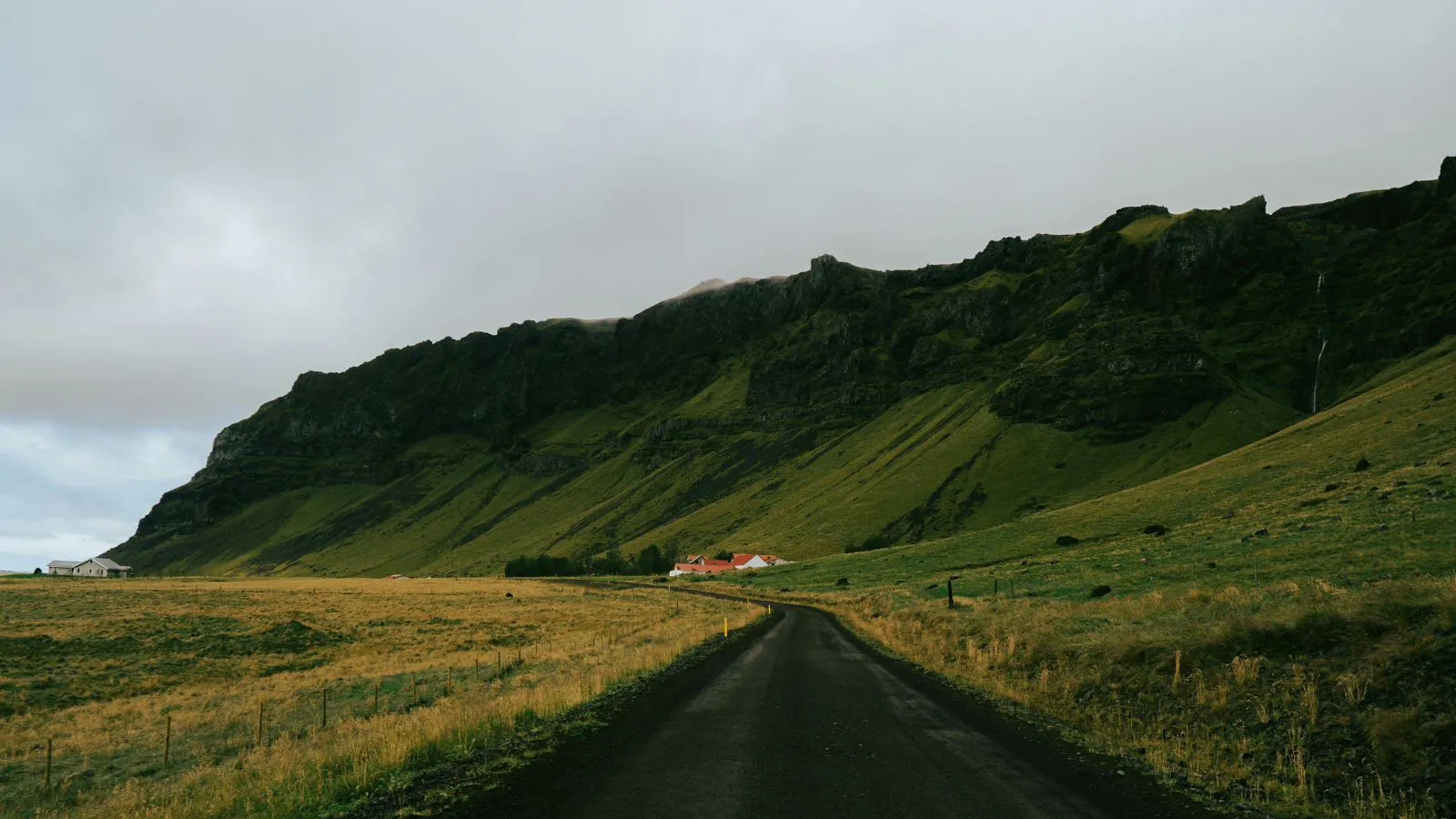
Summer is the most popular time to drive in Iceland, and once you're behind the wheel with the Midnight Sun hanging over the lava fields at 11 pm, it's easy to see why. Between June and August, the roads are at their most accessible, the weather at its most forgiving, and the landscapes at their most alive. The Highlands open after months of winter closure. Lupins carpet the roadsides in purple. Puffins nest along the coastal cliffs. And the Ring Road stretches out ahead of you with no ice, no snow, and nothing but time.
But summer in Iceland isn't one single experience. June, July, and August each bring something different behind the wheel: different road availability, different crowd levels, different costs, and different windows for the natural phenomena that draw millions of visitors here every year. Most guides pick a single month and call it done. This one covers all three.
At GO Iceland, we've helped countless travelers navigate Iceland's roads every summer season. What follows is everything we've learned distilled into one place: road types, the right car for your itinerary, month-by-month differences, safety rules, honest challenges, and the practical details that make the difference between a stressful trip and an unforgettable one.
Why Summer Is the Best Time to Drive in Iceland
If you're weighing up when to visit, summer makes the decision easy. June, July, and August represent the most accessible, most forgiving, and frankly most spectacular window to get behind the wheel in Iceland, and the reasons go beyond just "the weather is nicer."
The roads are at their most accessible
This is the single biggest practical advantage of summer driving. Iceland's F-roads — the rugged mountain tracks that cut through the Highlands — are closed for most of the year under snow and ice. Summer is the only season they're accessible at all, typically from late June through to early September. If your itinerary includes anything beyond the Ring Road, summer isn't just preferable; it's the only option.
The daylight is extraordinary
Around the June solstice, Iceland experiences the Midnight Sun, a time when the sun doesn't fully set, and the sky stays light around the clock. Even into July and August, you're looking at 15 to 20 hours of usable daylight per day. For drivers, this means complete flexibility: no race against the sunset, no cutting a hike short, no arriving at a waterfall in the dark. You simply drive when you want, stop when something catches your eye, and keep going for as long as you like.
The weather is as good as it gets
Iceland's reputation for wild, unpredictable weather is well-earned, but summer genuinely is different. Temperatures sit comfortably between 10°C and 15°C, rain is less frequent than in other seasons, and the extreme winds that make winter and spring driving genuinely hazardous are considerably calmer. The main roads are clear of snow and ice, and even the gravel roads that branch off the Ring Road are in their best condition of the year.
Wildlife and nature are accessible
Summer is when Iceland's most celebrated natural encounters are actually reachable by road. Whale watching tours run daily from coastal towns along your route. Puffin colonies are active and visible from clifftop pull-offs. The Highlands, normally locked off, are open for exploration. These aren't detours that require special planning; they're things that happen naturally when you're driving the right roads at the right time of year.
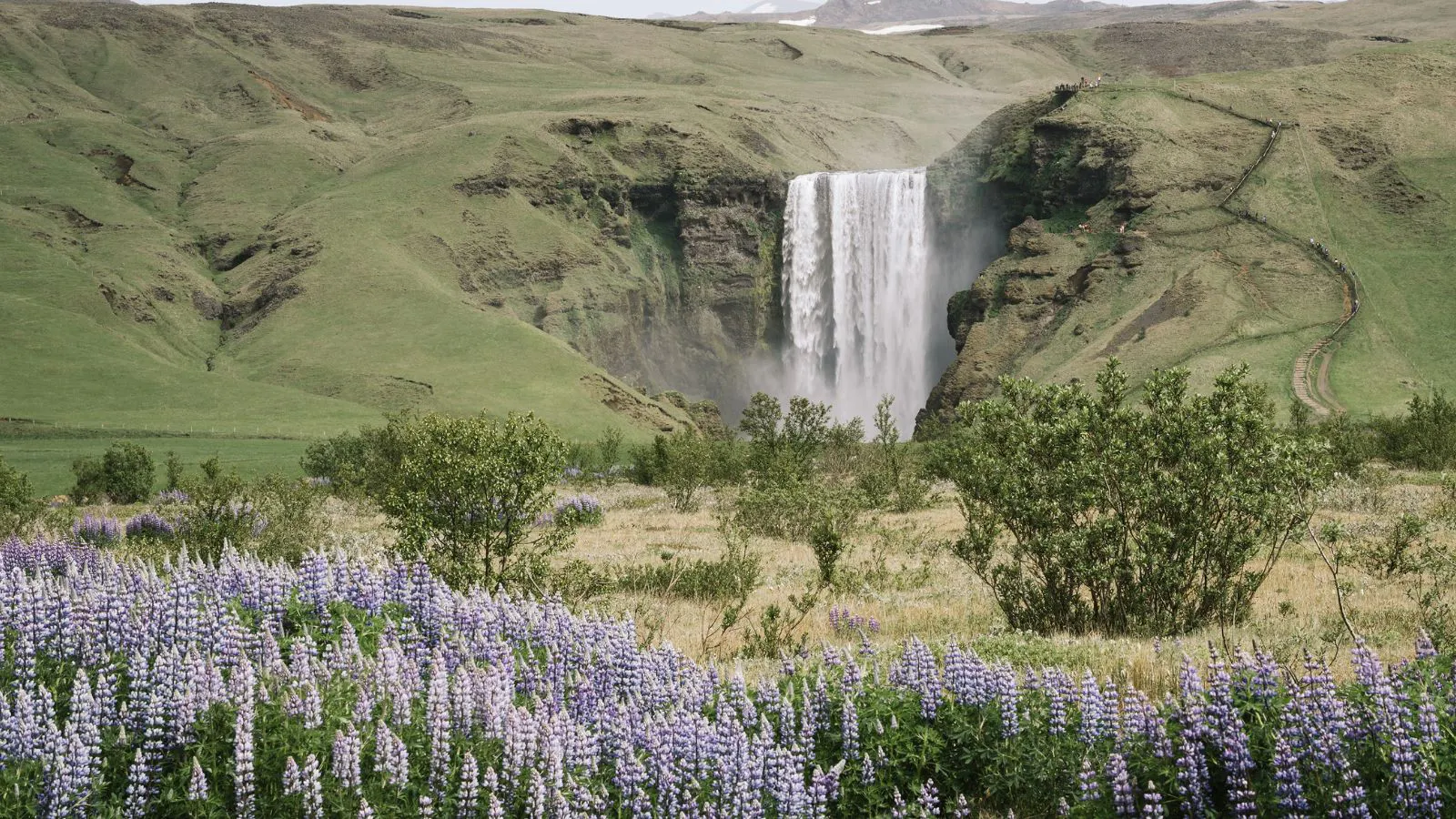
That said, summer isn't without its friction. Peak season means peak crowds, peak prices, and peak pressure on popular sites. Parking at Seljalandsfoss or Skógafoss in July can test the patience of even the most relaxed traveler. Rental cars book out weeks in advance. These are real considerations, and we'll address them honestly later in this guide.
But the overall picture is clear: if you want to drive in Iceland with the most freedom, the most access, and the most daylight, summer is your season.
June, July, and August: What's Different Each Month
Summer in Iceland spans three months, and each one has a distinct character behind the wheel. Here's what to expect from each.
Driving in Iceland in June
June is the sweet spot for daylight. The summer solstice falls around June 20th, and in the days either side of it, the sun barely dips below the horizon at all. If experiencing the Midnight Sun is on your list, this is the month to be here.
From a driving perspective, June sits at the shoulder of peak season. Tourist numbers are building but haven't yet hit the July ceiling, which means slightly less competition for parking at popular sites and a little more breathing room on the road. Rental availability is also better earlier in the month, and prices haven't fully peaked.
The one caveat is F-roads. Many Highland routes don't open until late June, and the exact dates shift year to year depending on snowmelt. If your itinerary depends on F-road access — Landmannalaugar, Þórsmörk, or the Kjölur route — don't assume they'll be open in early June. Always check the current road status at road.is before you go.
Driving in Iceland in July
July is peak Iceland. The roads are at their busiest, the rental prices at their highest, and the most popular viewpoints (Skógafoss, Seljalandsfoss, Jökulsárlón) can feel overwhelmed by midday. By this point, the F-roads are fully open, the weather is at its most reliably settled, and the days are still very long, even if the Midnight Sun has technically passed its peak.
The crowds are manageable with the right strategy. Driving early in the morning — leaving your accommodation by 7 am — gets you to major sites before the tour buses arrive. Equally, the extended daylight means you can visit popular spots after 8 or 9 pm and find them considerably quieter, with better light for photography too.
If you're driving the Ring Road in July, Fridays and Sundays see the heaviest traffic as people begin and end weekly rental periods. Factor this in if you're planning long driving days.
Driving in Iceland in August
August offers arguably the best balance of the three months. The F-roads are still open for most of the month, the weather remains good, and the crowds begin to thin — noticeably so in the second half of the month. Prices start to ease too, particularly for accommodation.
There are two things to watch in August. First, some Highland roads begin closing again from late August as conditions deteriorate at altitude — check road.is as you would in June, and don't leave F-road plans to the final days of your trip. Second, and more positively, the northern lights become a possibility again from mid-August as the nights grow dark enough. You're unlikely to see them in early August, but by the final week of the month, a clear night away from light pollution can deliver.
For drivers who want the full summer experience, open Highlands, long days, decent weather, without the intensity of peak July, August is worth serious consideration
Iceland's Roads: What You'll Actually Be Driving On
Iceland has four main road types you'll encounter in summer:
- The Ring Road (Route 1), and other main routes, which are fully paved and handle a standard 2WD without issue
- Gravel roads, which are common off the main highway, require a slower, more cautious approach
- F-roads, the Highland mountain tracks that are only open in summer, and legally require a 4x4
- One-lane bridges and blind hills, which catch first-time visitors off guard more than anything else.
For a full breakdown of what to expect on each road type, see our complete guide to roads in Iceland.
Which Car Do You Need for a Summer Iceland Road Trip?
The honest answer is: it depends entirely on where you're planning to go.
For the Ring Road, Golden Circle, and South Coast, a standard 2WD economy car is perfectly sufficient. These are Iceland's most popular driving routes, and they're all accessible on paved or well-maintained roads. If this describes your itinerary, there's no need to pay the premium for a 4x4.
For the Highlands and F-roads, a 4x4 is not optional — it's a legal requirement. Beyond the legal side, a 2WD simply won't cope with the terrain. River crossings, steep gradients, and rough unpaved tracks need a vehicle with proper ground clearance and four-wheel drive. Discover the best 4x4s for tackling Iceland’s F-Roads.
For the Westfjords, a 4x4 isn't legally required but is strongly recommended. The region's gravel roads are some of the most demanding outside the Highlands, and having a capable vehicle makes the difference between a stressful drive and an enjoyable one.
A useful rule of thumb: if your route includes any road with an F prefix on the map, you need a 4x4. If it doesn't, a 2WD will serve you well. Find out more: Do You Actually Need a 4x4 in Iceland?
One note on campervans: Iceland's freedom to camp rules have tightened significantly in recent years. You can no longer camp freely outside of designated campsites, which removes one of the main practical advantages of a campervan over a standard rental car. Discover the best campervans for experiencing Iceland.
Browse our fleet to find the right car for your itinerary — whether that's a compact economy car for the Golden Circle or a 4x4 for a Highland adventure.
Need more advice? Our guide: Do I Need a Rental Car in Iceland? And What Kind Should I Choose? covers all bases, while Roadtrips Around Iceland goes into more detail about the most popular routes on the island.
Essential Summer Driving Rules and Safety Tips
Iceland's road rules are straightforward, but several differ enough from those in other countries to catch first-time visitors off guard. Get these right before you set off.
Keep your headlights on at all times
This is a legal requirement in Iceland year-round, including in bright summer daylight. It's one of the most commonly forgotten rules among visiting drivers.
The speed limits are strictly enforced
50 km/h in towns and populated areas, 80 km/h on gravel roads, and 90 km/h on paved rural roads. Speed cameras are common, and fines are steep. Importantly, the legal maximum isn't always the safe maximum — on narrow gravel roads or in strong winds, considerably slower is considerably wiser.
Zero alcohol tolerance
Iceland operates a zero limit, not a low limit. Any amount of alcohol in your system while driving is illegal.
Seatbelts are mandatory for all passengers
No exceptions.
Off-road driving is illegal
Driving outside of designated roads and tracks carries heavy fines and, in serious cases, can result in prosecution. Iceland's volcanic soil and vegetation are extraordinarily fragile, so tire tracks can leave visible damage for decades.
Sheep have the right of way
In summer, the Icelandic countryside is full of free-roaming sheep, and they have no road sense whatsoever. If you hit one, you are legally required to report it to the farmer or local authorities.
Always check conditions before you drive
Iceland's weather can shift dramatically within an hour, and what looks like a clear day can deteriorate quickly. Before any drive, check road.is for road conditions and closures, vedur.is for weather forecasts, and safetravel.is for travel alerts. This is especially important before any F-road trip, but it's good practice throughout your trip.
See our guide to driving in Iceland for a full rundown of driving laws and regulations.
The Honest Challenges of Summer Driving in Iceland
Summer driving in Iceland is easy, safe, and spectacular — but there are real friction points that catch a lot of visitors off guard. Here's what to plan for.
The popular sites get very busy: Seljalandsfoss, Skógafoss, the Diamond Beach at Jökulsárlón — these places are overrun by midday in peak July. The scenery doesn't change, but the experience does. The fix is simple: drive early or drive late. Arriving before 8 am or after 8 pm gets you the same views with a fraction of the people, and the light is better, too.
Parking is more complicated than expected: At busy natural sites, parking areas fill quickly, and cars spill onto roadsides in ways that cause genuine congestion. In Reykjavík, the system is colour-coded zones with pay-by-app payment (Parka and EasyPark are the main ones) — there's no cash option at most machines. If you're spending time in the capital, familiarise yourself with the zone system before you arrive.
Distances take longer than they look on a map: Iceland is deceptively large, and what appears to be a three-hour drive regularly becomes five once you factor in gravel road speeds, single-lane bridges, roadworks, and the inevitable unplanned stops. Build generous time into every driving day and resist the urge to overpack your schedule.
Summer is road construction season: Iceland does the bulk of its road maintenance and repair work during the summer months, when conditions allow. Single-lane closures with waiting periods are common, particularly on the Ring Road. They're rarely long delays, but they're worth factoring in on tight driving days.
Rental cars book out: July in particular sees significant demand for rental vehicles, and the most popular car categories — mid-size 4x4s especially — can be fully booked weeks in advance. If your travel dates are fixed, book your car as early as possible. Leaving it until a few weeks before your trip in peak season is a genuine risk.
Driving Sustainably in Iceland
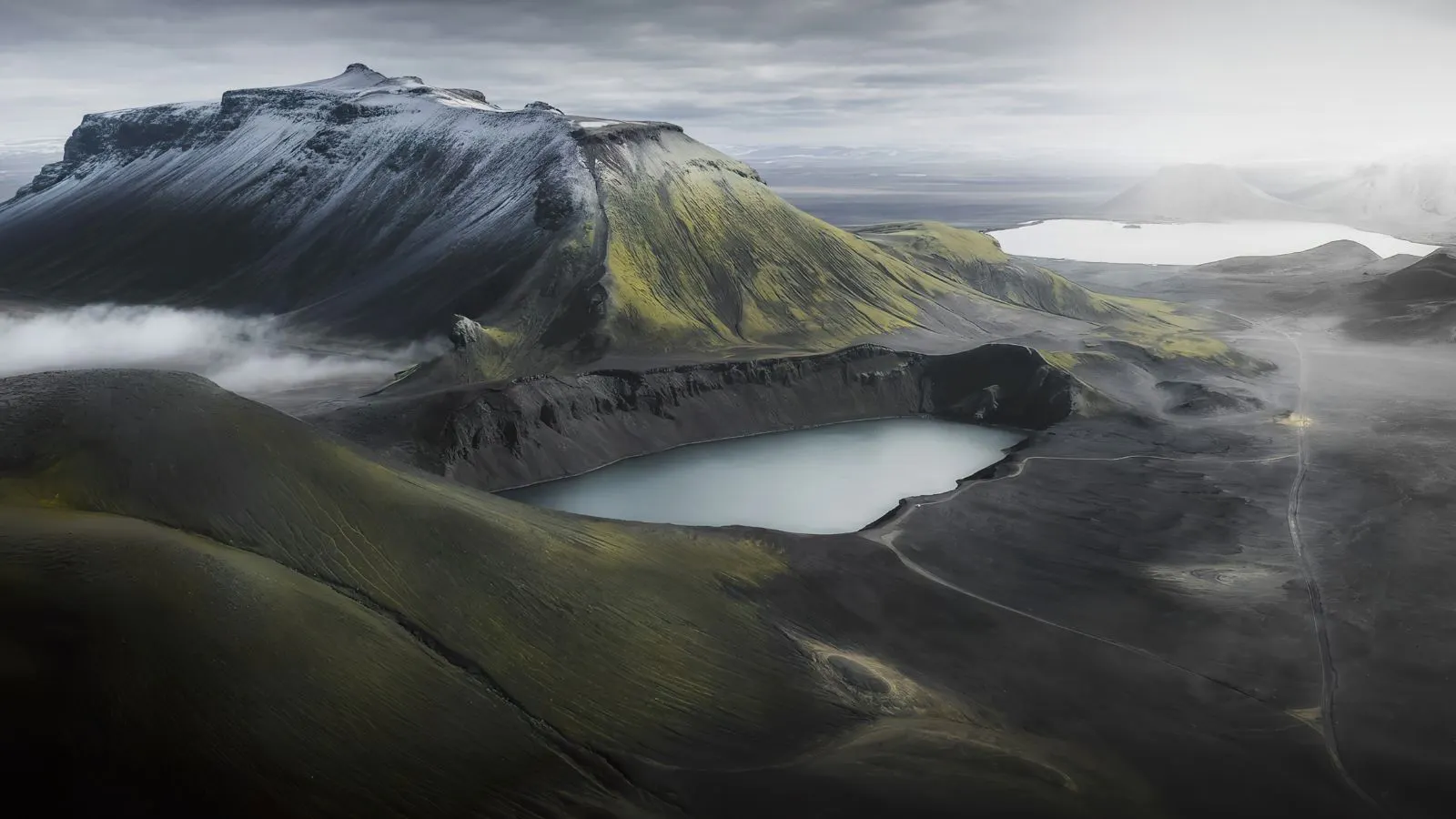
Iceland's landscapes look vast and indestructible. In reality, they're surprisingly fragile, and the way you drive has a direct impact on how they hold up for the next visitor, and the one after that.
The most important rule is one already covered in this guide: never drive off-road. Iceland's volcanic soil and slow-growing vegetation can take decades to recover from a single set of tire tracks. This isn't an exaggeration — aerial photographs of popular areas show damage from off-road driving that is still visible years later. The fines are severe, but the environmental case is the more compelling reason.
Beyond that, a few habits make a real difference. Pull over only in designated parking areas, even when a spot by the roadside looks harmless. Stick to marked paths when you leave the car. Pack out everything you bring in. And in the Highlands particularly, where the terrain is at its most delicate, and the nearest help is a long way away, tread carefully in every sense.
Iceland's reputation as one of the world's most pristine natural destinations isn't accidental — it's the result of a small population that takes its environment seriously, and increasingly, visitors who do the same. Traveling with GO Iceland means renting from a company that operates on this island year-round and has a stake in keeping it the way it is.
Top Summer Driving Routes
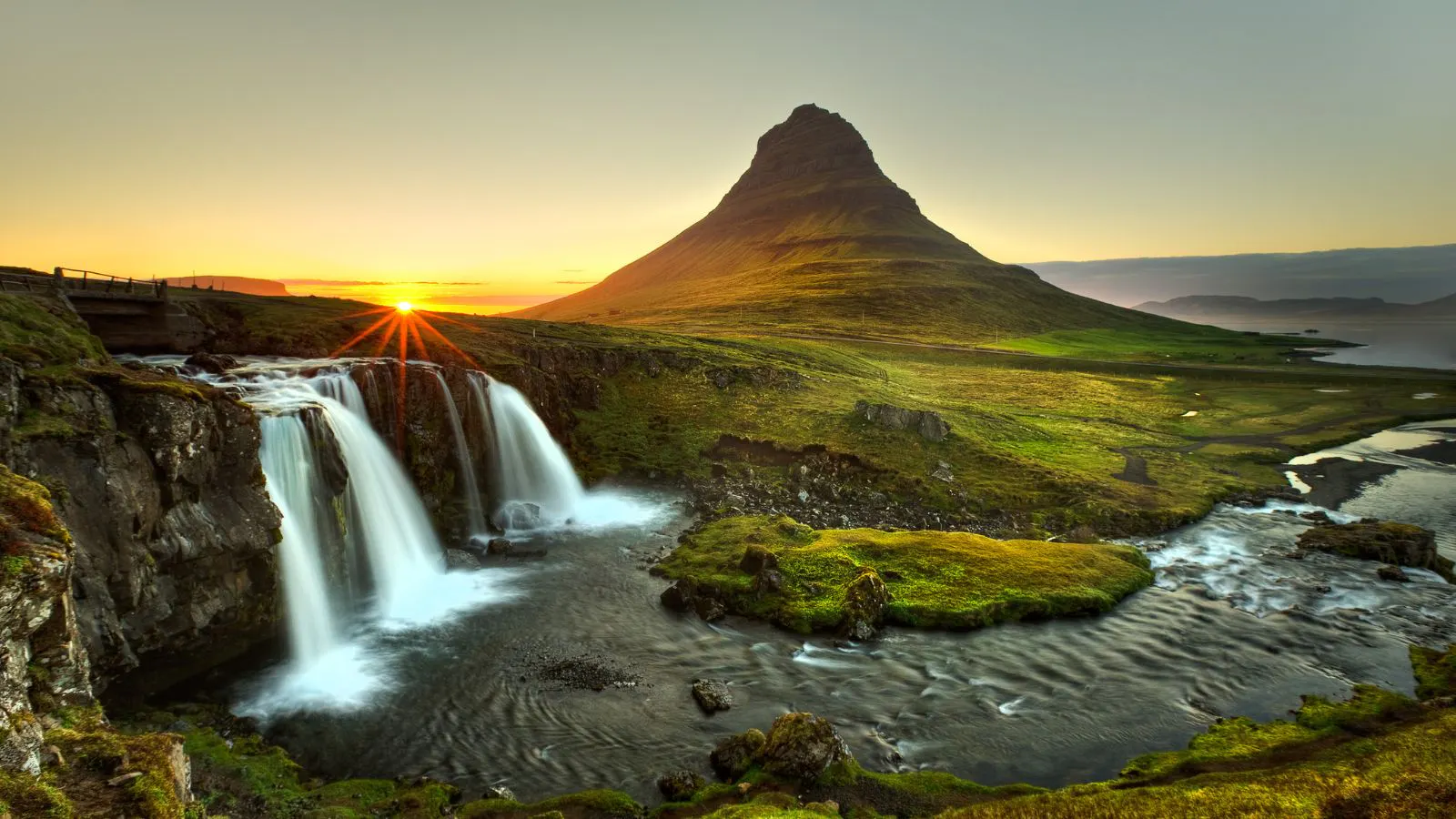
Iceland rewards drivers who venture beyond the obvious, but the obvious is obvious for good reason. Here are the main routes worth knowing about, from the well-trodden to the genuinely remote.
The Ring Road (Route 1) — The full circumnavigation of Iceland at just over 1,300 kilometres. Allow at least 7 days to do it justice, 10 to 14 if you want to explore properly along the way. Doable in a 2WD, accessible to all experience levels, and still one of the great road trips in the world.
The Golden Circle — Þingvellir National Park, the Geysir geothermal area, and Gullfoss Waterfall in a single day trip from Reykjavík. Compact, paved, and 2WD-friendly. Extremely busy in July — go early or go late.
The South Coast — Waterfalls, black sand beaches, glacier lagoons, and the Vatnajökull ice cap, within a two to three-day drive from Reykjavík. This is one of Iceland's most dramatic stretches of road and is manageable in a standard car.
Snæfellsnes Peninsula — Often overlooked in favour of the south, Snæfellsnes offers glaciers, lava fields, fishing villages, and far fewer crowds. Particularly good in June, before the peak season builds. 2WD accessible.
The Westfjords — Iceland's most remote and least visited region. The roads are rough in places, and the driving is slow, but the scenery and solitude are unmatched. A 4x4 isn't legally required but is strongly recommended. Best visited in July or early August when conditions are most reliable.
The Highlands (F-roads) — Landmannalaugar, Þórsmörk, the Kjölur route. Open July to early September only, 4x4 mandatory, and not for the faint-hearted. For drivers who want Iceland at its most raw and untouched, there's nothing else like it.
Summer Driving in Iceland FAQs
Do I need a 4x4 to drive in Iceland in summer?
Not necessarily. A standard 2WD is perfectly adequate for the Ring Road, Golden Circle, South Coast, and Snæfellsnes Peninsula. You only need a 4x4 if your route includes F-roads or the more demanding gravel tracks in the Westfjords.
When do F-roads open and close?
Most F-roads open in late June and close again in early to mid-September, depending on weather and snowmelt. Dates vary by route and by year — always check the current status at road.is before setting out.
Can I drive in Iceland with my home driving licence?
Yes. A valid driving licence from the UK, EU, US, Canada, or Australia is accepted in Iceland without an International Driving Permit, provided it's in the Latin alphabet.
What is the kilometre driving tax and do I pay it separately?
The kilometre driving tax was introduced in January 2026 and applies to all vehicles on Icelandic roads. For rental cars, it's factored into your booking rate — you won't be charged separately at collection.
Is it safe to drive in Iceland in summer?
Yes, summer is the safest season to drive in Iceland. There's no snow or ice on the main roads, the days are long, and conditions are generally stable. The main risks are gravel roads, strong winds, and driver fatigue from over-ambitious itineraries. Check road.is and vedur.is daily and build rest into your schedule.
What happens if I hit a sheep?
It happens more often than you'd expect. You are legally required to report the incident to local authorities or your rental provider. The driver is responsible for the animal, and damage to the rental car is handled according to your insurance policy.
Can I drive the entire Ring Road in a week?
Yes, but it will feel rushed. Seven days gives you enough time to complete the loop with stops at the main attractions, but not much room to slow down or explore side routes. Ten days is a more comfortable pace for most drivers.
What should I do if the weather turns bad mid-drive?
Pull over safely and wait it out if conditions deteriorate quickly. Check vedur.is for updated forecasts and road.is for any closures. In Iceland, it's common practice to simply drive in the direction of better weather; conditions can change significantly within an hour and within a relatively short distance.
Ready to Drive in Iceland This Summer?
Summer is the most rewarding season to drive in Iceland, and the more prepared you are, the more you'll get out of it. Open, extraordinary daylight, accessible roads, and landscapes at their peak make June, July, and August a genuinely special window to be behind the wheel here.
The key is matching your plans to the month, your car to your route, and your expectations to the reality of peak season. Get those three things right, and Iceland will more than deliver.
Browse our fleet to find the right car for your summer itinerary, whether that's a compact economy car for the Ring Road or a 4x4 for the Highlands.
More in Driving in Iceland
 Driving in Iceland
February 19, 2026
The Complete Guide to the Iceland Road Tax (Kilometer Fee)Heading to Iceland in 2026? Learn everything about the new Iceland Road Tax (Kilometer Fee), how it's calculated,...
 Driving in Iceland
January 29, 2025
Is Off-Road Driving Allowed in Iceland?Learn the rules, risks and facts about off-road driving in Iceland. Discover why off-roading in Iceland is illegal...
 Driving in Iceland
January 29, 2025
Iceland Speeding Tickets & Parking Fines: What Tourists Need to KnowGot a speeding ticket or parking fine in Iceland? Learn how much it costs, how to pay, and...