Do You Need a 4x4 in Iceland? (Complete Decision Guide)
Quick Answer:
- You don't always need a 4x4 in Iceland
- A 2WD is enough if you stay on paved roads (e.g., Ring Road in summer)
- You need a 4x4 if you plan to drive F-roads (required by law) or travel in winter/remote areas
Planning a road trip through Iceland's dramatic landscapes? You might picture yourself cruising past glaciers and volcanoes, without a care in the world. And with the right vehicle, that dream can become reality. A 4WD vehicle opens up access to F-roads, the remote Highlands, and hidden gems far off the Ring Road. It also offers extra stability in Iceland's famously unpredictable weather.
But do you really need a 4x4 in Iceland? In this guide, we've answered all your questions about 4-wheel drive (4WD) rentals, including when they're required, what to consider, and how to choose the right one for your adventure.
When You DO Need a 4x4 in Iceland
Driving on F-Roads (Highlands)
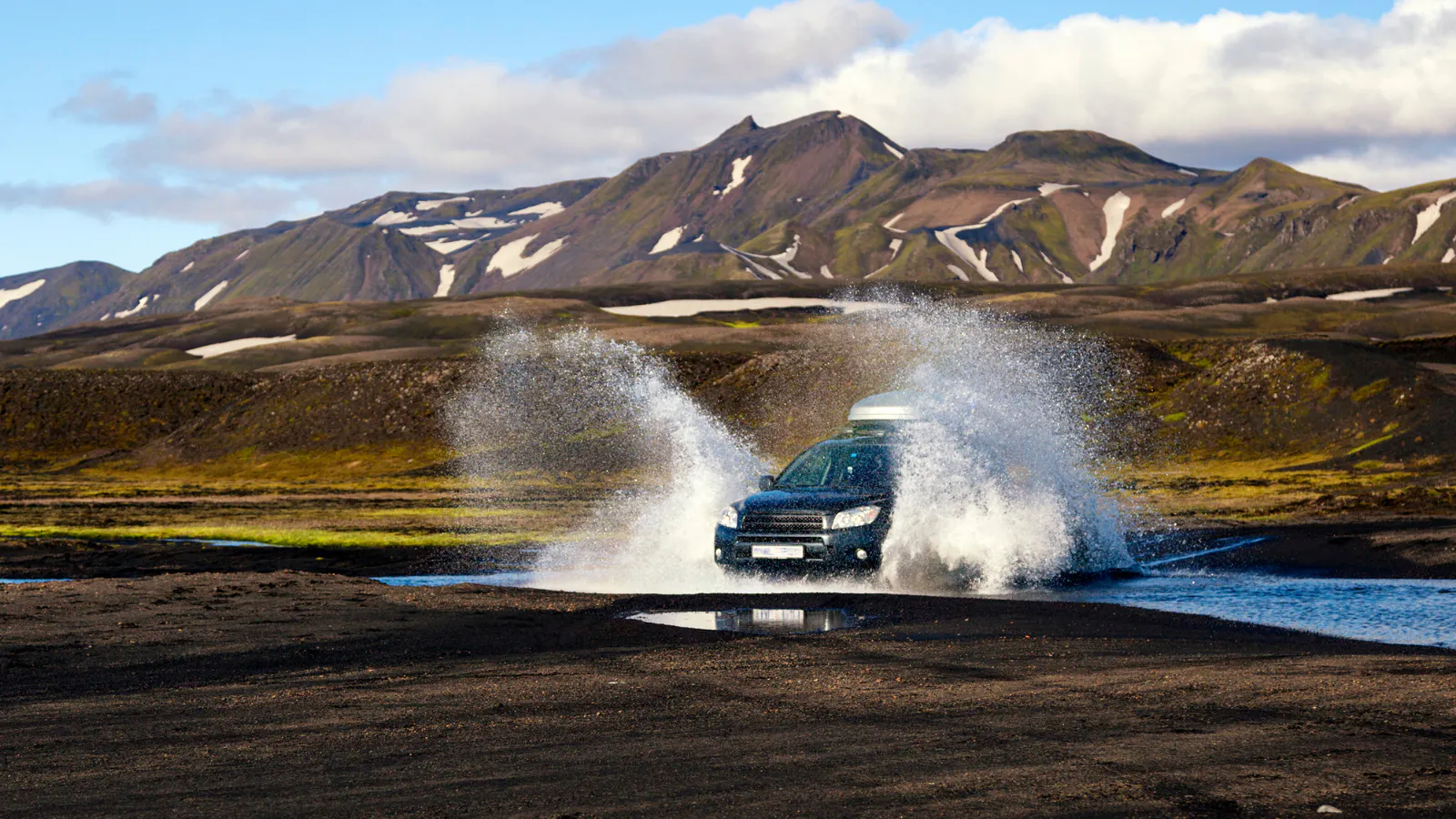
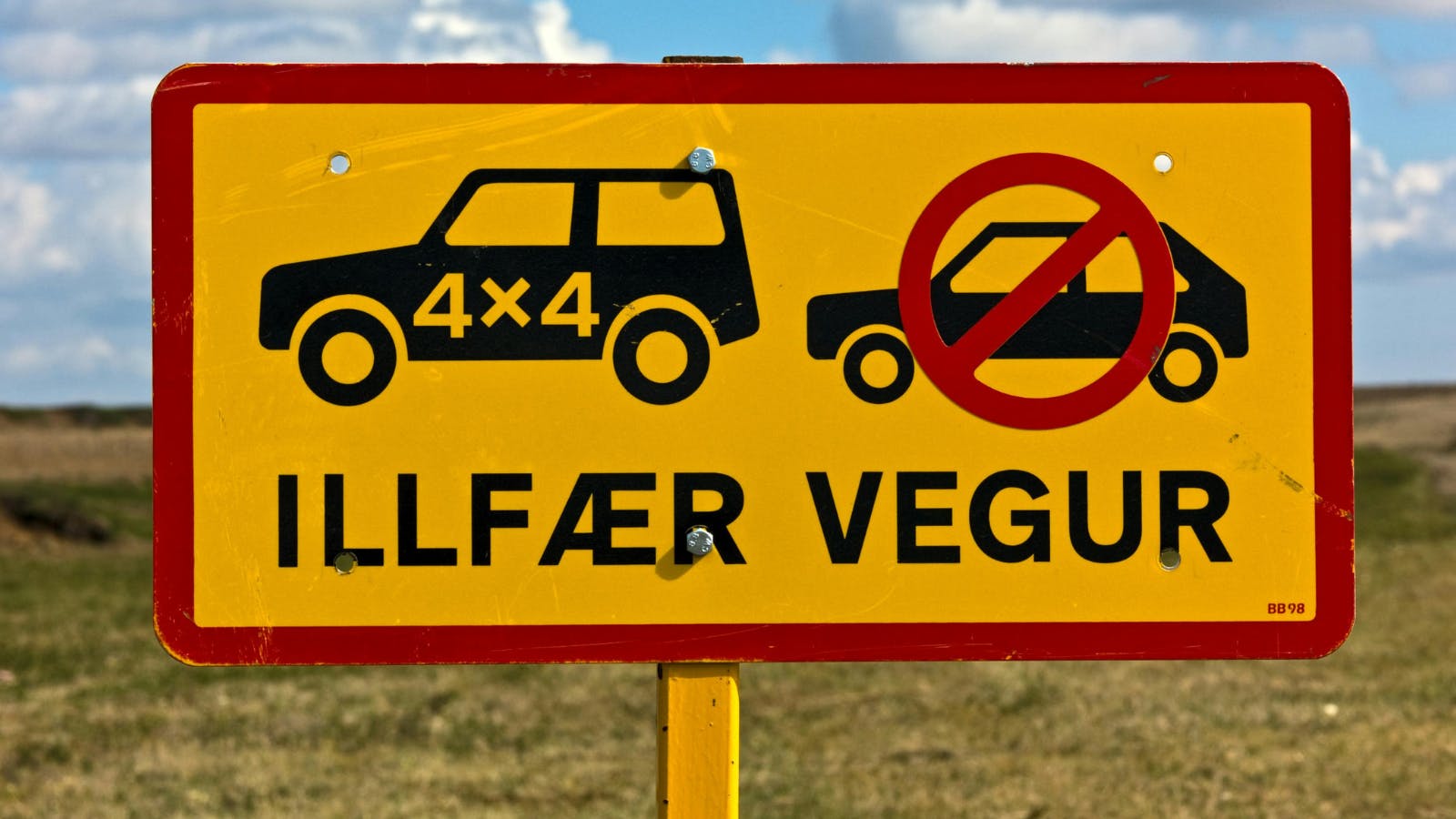
A vehicle with 4WD ultimately allows more stability on tougher terrain, which is especially beneficial when driving on rough gravel roads or mountainous tracks like the F-roads. The main reason to choose to hire a 4x4 in Iceland is so that you can explore Iceland's Highlands via these F-roads, where 4-wheel drives are mandatory by law.
During the summer months, Iceland's famous F-roads, mountainous gravel roads that lead into the Highlands, open up! These roads are rough, often narrow, and sometimes feature river crossings, meaning a 4-wheel drive vehicle is mandatory for anyone planning to explore these remote areas. Without a 4x4, access to these unique destinations isn't possible.
Explore the best 4x4s for F-road adventures.
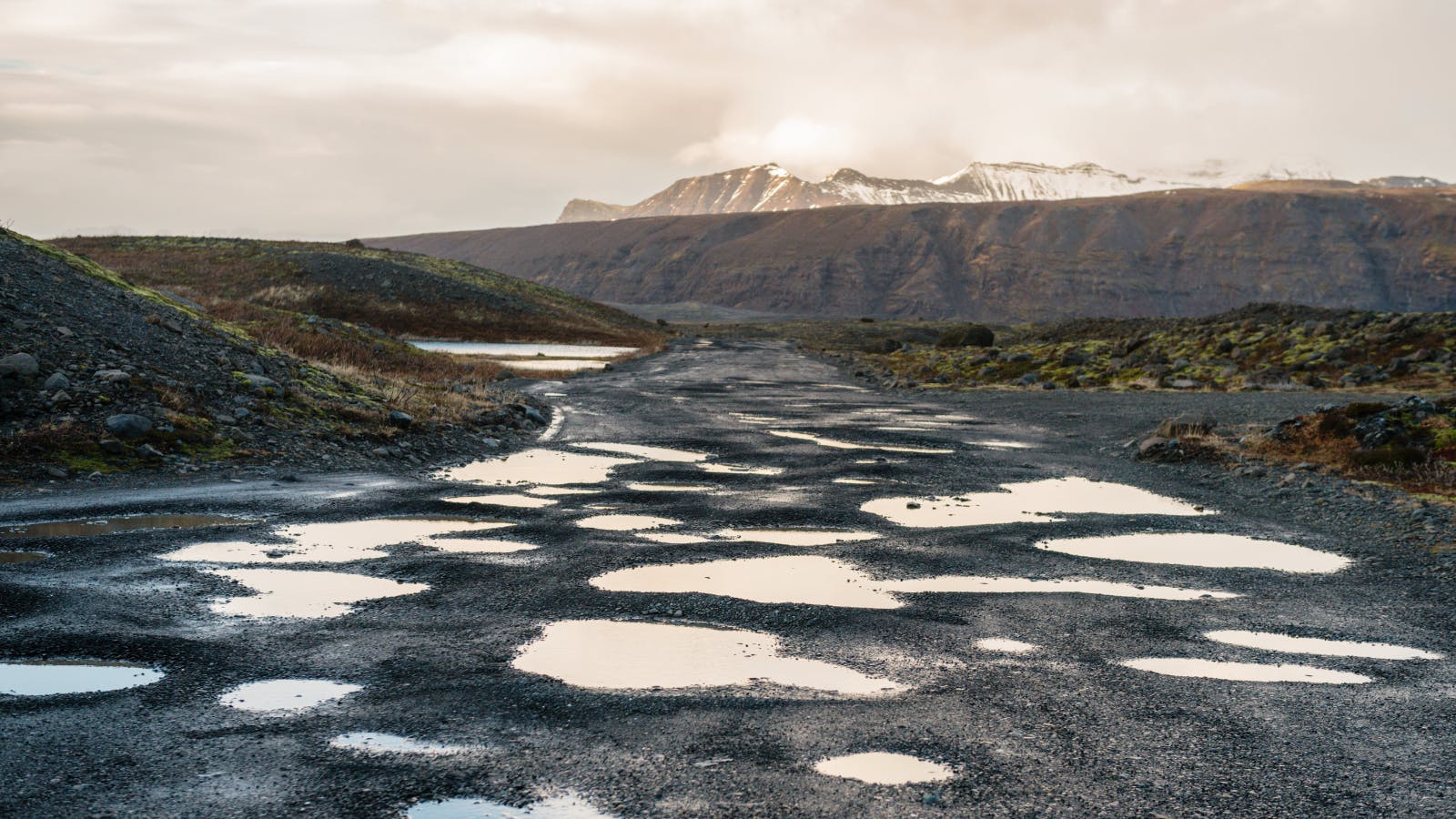
It's important to note that off-road driving (outside of marked roads and tracks) is illegal in Iceland to protect the fragile landscape, so 4x4s are intended for use only on designated roads. It's also worth noting that F-roads are closed during the winter months due to dangerous conditions, so the Icelandic Highlands are only accessible in summer.
Traveling in Winter (November–March)
If you plan to embark on a longer road trip around the Ring Road between December and February, then a 4x4 might be a good choice. Snow, ice, and rapidly changing weather can make driving on more remote or rural roads more challenging. For ultimate peace of mind and safety on these trickier roads, hiring a vehicle with 4WD is a smart choice.
The added traction is invaluable in poor weather conditions, with snow and ice on the road's surface. While all our rental cars are fitted with studded tires in winter, ensuring solid grip even on icy roads, a 4x4 provides extra stability and confidence when winter conditions are severe.
Find out more about driving in Iceland in winter.
Exploring Remote Areas
If you're planning to visit Iceland's more remote regions, such as the Westfjords or isolated Highland areas, a 4x4 is highly recommended. These areas often have unpaved roads, limited road maintenance, and challenging terrain that requires the extra clearance and traction a 4-wheel-drive vehicle provides. Even in summer, gravel roads and rough conditions can make 2WD vehicles unsuitable for these adventures.
When You DON'T Need a 4x4 in Iceland
Driving the Ring Road in Summer
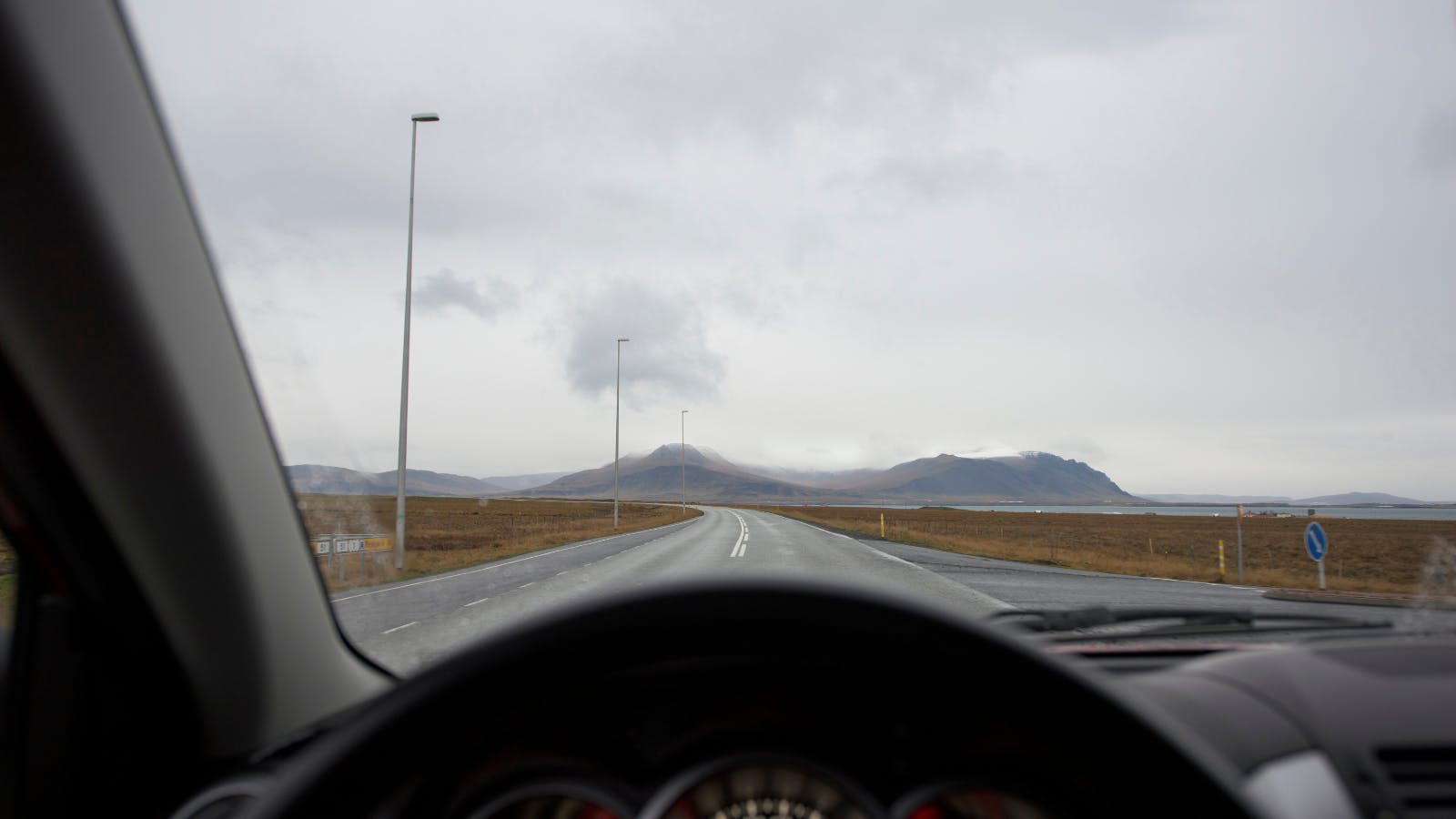
Iceland's famous Ring Road (Route 1) is fully paved and well-maintained throughout the year. During the summer months (May–September), a 2WD vehicle is perfectly adequate for driving the entire Ring Road. The road is accessible, safe, and designed to handle regular vehicles without any issues. Most popular tourist attractions along the Ring Road can be reached with a standard 2WD car.
Short Trips (Golden Circle)
If you only plan to spend a few days on the Golden Circle, for example, a 4x4 is generally not necessary. This is a well-maintained road with good visibility, perfectly safe as long as you drive carefully and follow local laws.
For short trips that stick to well-traveled routes near Reykjavik or other major towns, a 2WD vehicle will save you money without compromising your experience.
Budget-Focused Travel
If you're traveling on a tight budget and don't plan to venture off the main paved roads, a 2WD vehicle is significantly more affordable. Not only are 2WD rentals cheaper, but they also use less fuel, which can add up to substantial savings over a longer trip. For budget-conscious travelers sticking to Iceland's main attractions, a 2WD is the smart financial choice.
Do You Need a 4x4 by Season?
Summer (May–September)
During Iceland's summer months, a 2WD vehicle is usually sufficient for most travelers. The Ring Road and major tourist routes are fully paved and accessible. However, if you plan to explore the Highlands via F-roads, a 4x4 is mandatory. Summer is the only time when F-roads are open, making it the ideal season for Highland adventures that require 4-wheel drive.
Winter (October–April)
If you are traveling during the winter months, you might assume that hiring a 4x4 is essential to handle the severe weather Iceland can throw at you. However, whether you need one depends largely on your travel plans and route. While a 4x4 is recommended for winter travel—especially for longer road trips or ventures into rural areas—it's not always mandatory for short trips on well-maintained routes.
All our rental cars are fitted with studded tires in winter, ensuring solid grip even on icy roads, so a 2WD can handle many winter conditions if you're sticking to main routes and driving carefully.
Do You Need a 4x4 for the Ring Road?
Direct answer: No, in most cases, you do not need a 4x4 for Iceland's Ring Road.
The Ring Road (Route 1) is Iceland's main highway that circles the entire island. It's fully paved and maintained year-round, making it accessible to 2WD vehicles in most conditions. During the summer months, a standard car is more than adequate for driving the Ring Road and visiting the popular attractions along the route.
However, there are some nuances to consider:
- In winter (December–February), snow and ice can make driving more challenging, and a 4x4 provides extra safety and stability.
- The weather in Iceland is highly variable, and even in summer, sudden storms can occur.
- Some side roads and attractions off the Ring Road may require 4WD or have rough gravel sections.
For most Ring Road road trips in summer, a 2WD is perfectly suitable. In winter, while not strictly required, many travelers prefer the added peace of mind that comes with 4-wheel drive.
Is a 4x4 Worth It in Iceland?
Cost vs Value Breakdown
There is no simple answer when it comes to 4x4 rental costs in Iceland. Pricing varies depending on the season, vehicle model, length of rental, and any optional extras you choose. They are, however, often more expensive than 2WD vehicles.
As a general guide, daily rates typically range from $50 to $200 a day. Expect lower prices in the off-season (late fall to early spring), and higher rates during summer and peak travel periods.
To give you the ultimate peace of mind, our rental prices at GO Iceland include Collision Damage Waiver (CDW), which covers third-party and personal accident insurance with a self-risk of 350,000 ISK (approx $2,870). Find out more about our insurance packages.
Fuel consumption is also an important consideration. 4x4 vehicles are typically less fuel-efficient than 2WD cars. On average, more compact 4WD vehicles use around 7-10 liters per 100 km, while larger models might use up to 15 liters per 100 km. Over a week-long road trip, these differences can add up.
When It's Worth It
A 4x4 rental is worth the extra cost in these situations:
- Adventure travel: If you want to explore F-roads, the Highlands, or remote areas, a 4x4 is essential and non-negotiable
- Winter safety: Traveling between November and March, especially on longer trips, justifies the peace of mind and stability
- Comfort on long trips: If you're planning an extended road trip (7+ days), the extra space and comfort of a larger 4x4 can significantly enhance your experience
- Rough weather conditions: If forecasts predict storms or challenging conditions during your trip
When It's NOT Worth It
Skip the 4x4 and save money if:
- Short summer trips: A 2-3-day trip sticking to the Golden Circle or South Coast doesn't require 4WD
- Budget travelers: If you're watching your spending and won't be venturing off paved roads, the savings from a 2WD rental can be substantial
- Paved-road-only itinerary: If your entire route consists of paved roads (Ring Road, main attractions), a 2WD is perfectly adequate
Best 4x4 Vehicles for Iceland Trips
Ultimately, the best 4x4 vehicle for you will depend on your specific requirements during your time in Iceland. Fuel efficiency, size, ground clearance, and more can all impact your choice. Below are our recommendations for certain trip types within our 4x4 rental offering.
For F-Roads
- Jeep Compass 4xe: Perfect for tackling challenging F-road terrain with excellent ground clearance and river-crossing capability
- Nissan Qashqai 4x4: Ideal for drivers seeking a balance of comfort and capability on Iceland's F-roads, with solid 4x4 traction for rough terrain
View Jeep Compass 4xe | View Nissan Qashqai 4x4
For Sightseeing & Gravel Roads
- Dacia Duster 4x4: An affordable and fuel-efficient option for mixed terrain
- Suzuki Vitara: Compact yet capable for most Icelandic road conditions
View Dacia Duster 4x4 | View Suzuki Vitara
For City Driving & Paved Roads
No 4x4 required—a standard 2WD vehicle is more economical and easier to maneuver in urban areas and on paved routes.
Common Mistakes to Avoid
When deciding whether to rent a 4x4 in Iceland, avoid these common pitfalls:
- Renting a 4x4 unnecessarily: Many travelers overestimate their need for 4WD, wasting money on vehicle rental and fuel when a 2WD would have been perfectly adequate for their itinerary.
- Driving F-roads without a proper vehicle: Attempting to drive F-roads in a 2WD vehicle is illegal, dangerous, and can void your insurance coverage. Always check road requirements before setting out.
- Ignoring weather conditions: Iceland's weather can change rapidly. Even if you have a 4x4, don't underestimate poor weather—check forecasts daily and adjust plans accordingly.
- Overestimating driving ability: Having a 4x4 doesn't make you invincible. River crossings, steep grades, and icy conditions require skill and caution regardless of vehicle type.
- Skipping insurance add-ons: While CDW is included, gravel protection and sand/ash protection are highly recommended if you're driving on unpaved roads or in remote areas.
4x4 Car Rentals in Iceland FAQs
Below, we've answered some of the most common questions travelers have about 4WD rentals, F-road rules, insurance, and more, so you can hit the road with confidence.
Are 4x4s required on F-Roads in Iceland?
Yes, 4WD vehicles are legally required to drive on F-roads—mountainous, gravel roads that lead into the Highlands of Iceland. Attempting to drive these roads in a 2WD vehicle is extremely unsafe and illegal.
Do you need a 4x4 in Iceland in winter?
While not always mandatory, a 4x4 is highly recommended for winter travel in Iceland, especially for longer road trips or travel outside of Reykjavík. Winter conditions (snow, ice, storms) make 4-wheel drive much safer. However, for short trips on well-maintained roads like the Golden Circle, a 2WD with studded tires can be sufficient if you drive carefully.
Is 2WD enough in Iceland?
Yes, a 2WD vehicle is enough for many Iceland itineraries, particularly in summer when sticking to paved roads like the Ring Road and major tourist routes. If you're not planning to drive F-roads or venture into remote areas, a 2WD will save you money and is perfectly adequate.
Do you need a 4x4 for the Ring Road?
No, you do not need a 4x4 for the Ring Road. It's fully paved and accessible to 2WD vehicles year-round. However, in winter (December–February), a 4x4 can provide extra safety and peace of mind when ice and snow are present.
Can I drive off-road in a 4x4 in Iceland?
No, off-road driving in Iceland is illegal, regardless of the vehicle you are driving. This law is strictly enforced in Iceland to protect the fragile environment. Even in a 4x4, you must stick to marked roads and tracks.
Do I need special insurance when driving a 4WD in Iceland?
While CDW is included as standard with GO Iceland, it is highly recommended to add gravel protection and sand and ash protection, especially if you're heading into rural or Highland areas.
Can I rent an automatic 4x4 in Iceland?
Yes, many of our 4x4 rentals are available with automatic transmission, including the Nissan Qashqai and Mazda CX-60. These vehicles are ideal for those who are less confident with manual driving.
Are F-roads dangerous?
F-roads can be challenging and potentially dangerous if you're unprepared. They feature river crossings, steep inclines, rough terrain, and often have no cell service. However, with a proper 4x4 vehicle, careful driving, and preparation (maps, emergency supplies), they are safe for experienced drivers. Always check road conditions before departure and never attempt F-roads in a 2WD vehicle.
Final Verdict: Do You Need a 4x4 in Iceland?
For most travelers, the answer is no—you don't need a 4x4 in Iceland. If you're sticking to the Ring Road, visiting popular attractions, and traveling in summer, a standard 2WD vehicle will serve you well and save you money.
However, a 4x4 becomes essential in specific scenarios:
- You plan to drive F-roads or explore the Highlands (mandatory by law)
- You're traveling in winter and want maximum safety and stability
- You're visiting remote areas with unpaved roads
- You prefer the extra comfort and space for a longer road trip
The key is to match your vehicle choice to your itinerary. Consider where you'll be driving, when you're traveling, and what level of comfort and safety you need. If you're still uncertain, our team at GO Iceland can help you choose the perfect vehicle for your adventure.
Still not sure? Our blog on which type of car to rent in Iceland might help you further! Also, find out more about driving around Iceland to plan your trip timeline.

More in Car Rental Advice
 Car Rental Advice
May 5, 2026
Automatic vs Manual Rental Cars in Iceland: Which Should You Choose?Not sure whether to choose an automatic or manual rental car in Iceland? Compare costs, availability, and driving...
 Car Rental Advice
March 12, 2026
What Car Do I Need if I’m Staying in Reykjavík?Staying in Reykjavík? Choose the right rental car for city parking, winter weather, and easy day trips like...
 Car Rental Advice
February 26, 2026
The Best Cars for Winter in IcelandWhat are the best cars for winter in Iceland? Get five model suggestions, plus a list of requirements,...