Loading...
May 7, 2026
Do I Need a Rental Car in Iceland? And What Kind Should I Choose?
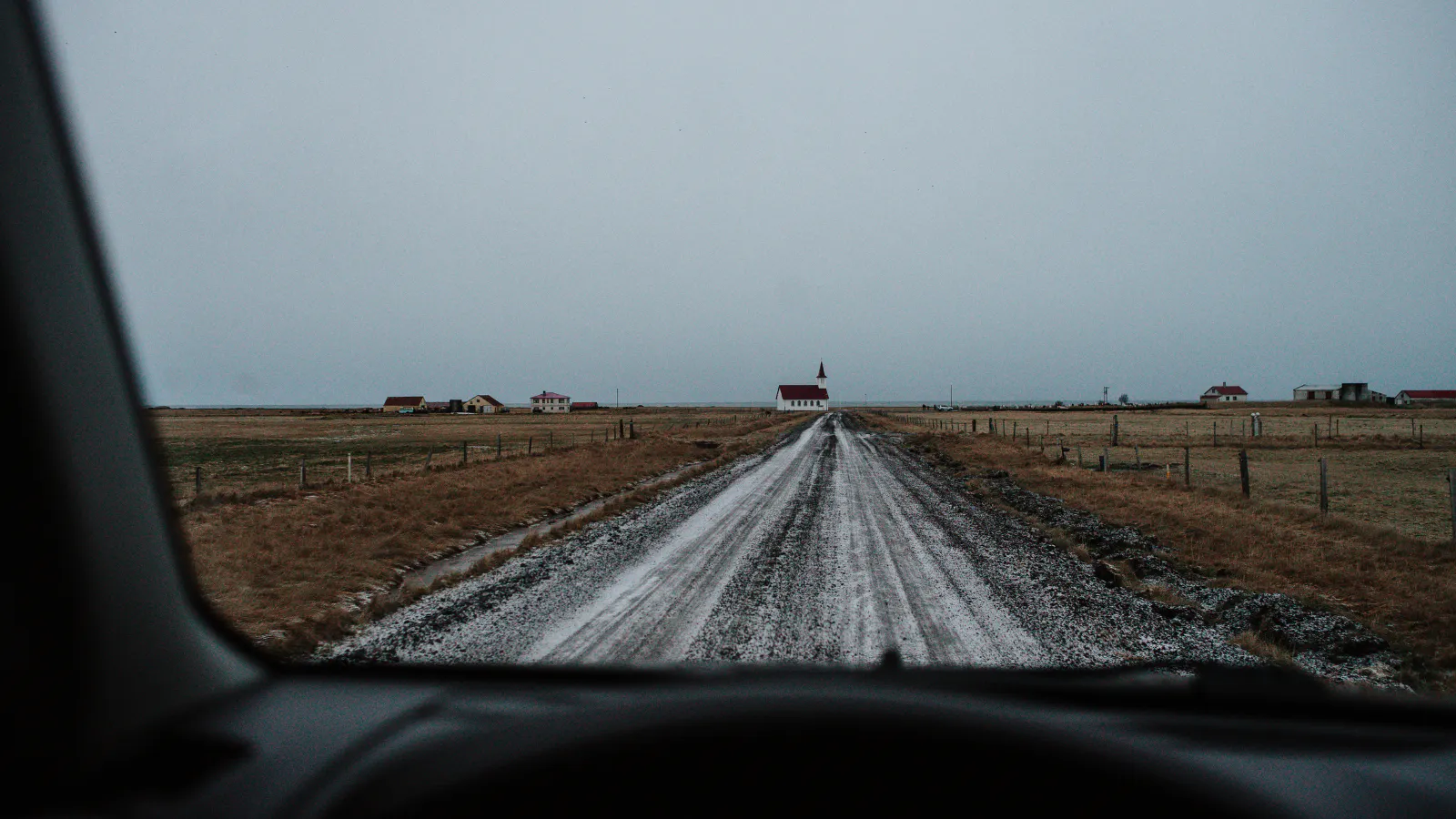
Without a doubt, hiring a vehicle is one of the best ways to make the most of your time in Iceland. The winding roads and remote destinations mean that driving is not only a joy, but also sometimes the only way to reach the places you’re keen to tick off your bucket list.
However, choosing the right model and type of car can make or break your time on this curious island. You’ll need to consider factors like time of year, weather conditions, your trip type, and more to ensure a comfortable and safe adventure. Let’s take a look at the ins and outs of this important decision.
At a Glance: The Type of Car You’ll Need in Iceland
If you’re wondering whether you really need to rent a car in Iceland, the answer depends less on “can you?” and more on how you want to experience the trip. Reykjavík itself is easy to explore on foot, and popular day trips can be done by tour. But the moment you want to build your own itinerary—stopping at viewpoints on a whim, chasing good weather, or heading beyond the usual routes—a rental car quickly becomes the easiest (and often the most time-efficient) way to travel.
The key is choosing a vehicle that matches your season, route, and comfort level. In summer, if you’re sticking to Reykjavík, the Golden Circle, and other main paved roads, a small 2WD can be perfectly adequate. For longer drives like the Ring Road—especially with luggage, extra passengers, and detours—a compact or mid-size car often feels like the sweet spot for space and stability. If you’re travelling in winter or shoulder season, conditions can change quickly (ice, wind, reduced visibility), so many travellers prefer the extra confidence and road grip of an SUV or 4x4. And if the Highlands or F-Roads are on your list, that choice becomes non-negotiable: you’ll need a proper 4x4 and the confidence for rougher terrain.
A few quick “sanity checks” before you book:
- Staying mostly in Reykjavík & doing 1–2 tours? You may not need a car the whole time—consider renting for just part of the trip.
- Doing Ring Road/lots of stops/multiple regions? A rental will make your itinerary far smoother.
- Highlands/F-Roads? Book a 4x4, stick to marked roads, and check conditions before you go.
But First - Do I Really Need a Rental Car in Iceland?
The broad answer is yes, it’s almost always worth renting a car in Iceland, with one or two exceptions. But before making your final decision, there are a few things to consider:
- Do you want to explore the country beyond the borders of Reykjavík? The capital city is highly walkable, but if you want to get out and explore more of the country, you’ll find a car really helpful, as Iceland’s public transport system isn’t as evolved as many other European countries.
- Is there a confident driver in your group who will be happy to drive? Driving in Iceland can be challenging due to the unpredictable weather conditions; however, it is possible to stick to roads more traveled, which are typically easier to handle.
- Who are you traveling with? If you are heading to Iceland with young children, it’s worth considering the benefits of being able to travel where and when you want.
- What sights do you want to see? Whilst there are tours and trips available to popular tourist destinations, you may struggle to find suitable alternative transport options if you’re planning on heading off the beaten track.
- How long is your vacation? If you’re limited to a few days, you’ll want to create a personalized action-packed itinerary.
What are the Benefits of Renting a Car in Iceland?
Now you’ve had the chance to think about whether hiring a car is suitable for your group, here are all the details you’ll need to make a final decision!
1. You Can Create a Personalized Itinerary
This is one of the biggest advantages of having your own set of wheels in Iceland - complete freedom to explore. Having access to a car to get around the island gives you the ultimate flexibility to plan your itinerary and activities exactly as you wish. Want to head to the Blue Lagoon? No problem, you can stop off anywhere you like on the way back, too!
When you hire a car, you are not limited to those attractions that large companies have planned group tours to. You are free to research those off-the-beaten-track locations and head there instead! For those more adventurous and keen to experience something unique, a rental car might just be the perfect choice!
The flexibility of a rental car lends itself to shorter trips in Iceland, too. Even if you are on a layover, there are lots of incredible things to do near Keflavík Airport. Having a rental car means you can take advantage of those hours.
2. You Can Travel in Comfort
A vacation in Iceland is often packed full of hiking and exploring, which can be tiring for everyone involved. Figuring out public transport with your backpacks and any other luggage in tow, after a day in the wilderness, is the last thing you need. And sharing a minivan with other travelers, who also all have large day packs, isn’t appealing to everyone!
With your rental car by your side, you can hop in and relax whenever you need after a day out walking or sightseeing. Plus, on your own time, there is no rush to get back to a shared transport vehicle - you can spend as long as you want at each destination, and even stop whenever you want for snacks or to stretch your legs!
3. You Can Enjoy Unlimited Space
Unlike group tours or public transport, a hire car provides you with a space that is your own. Families with young children often have lots of things to carry with them: toys, a baby carrier, unlimited snacks, and more, which means you’ll likely be at capacity with luggage.
Plus, the changeable weather in Iceland means that layering is an absolute must for staying comfortable throughout your trip. Raining one minute, sunny the next, you’ll want to pack for every eventuality. Bulky boots, coats, and scarves take up room in your backpack, valuable space that can be freed up by utilizing your car trunk! With space in the trunk, as well as your back seats, you won’t need to worry about overpacking. Plus, there is no need to unpack everything at the end of every day, because your vehicle is your own and everything will be there waiting for you in the morning to start a new adventure.
4. You Can Dive into The Driving Experience
For some people, driving is part of the adventure! After all, it’s not about the destination, it’s often about the journey itself. And there’s nothing greater than hitting the open road in Iceland. Road trips are popular, and there is a range to discover from Iceland’s capital.
One of the most popular road trips is the Ring Road, taking travelers around the country in its entirety at their own pace. The road is well-maintained, traffic is typically light, and the views speak for themselves. The Golden Circle is great for those who don’t have long to spend in Iceland, incorporating 3 of the most popular attractions in South Iceland.
Want a more challenging drive? Heading up into the Highlands is only possible in the summer when the F-Roads are open, but you will be rewarded with rugged terrain, winding roads, river crossings, and remote attractions with fewer tourists.
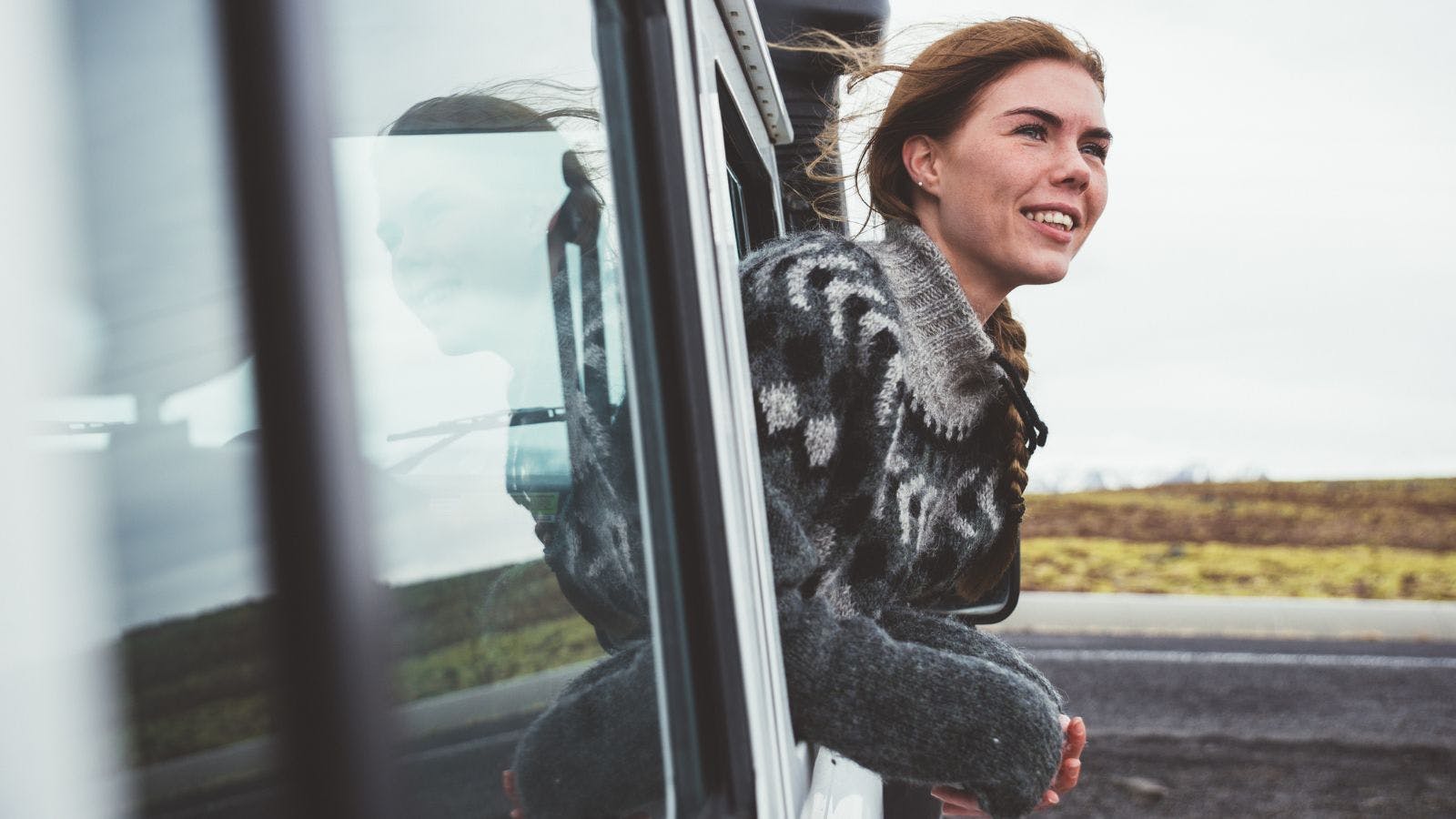
Considerations for Renting a Car in Iceland
Of course, there are also some considerations when it comes to car rentals in Iceland:
1. The Cost
One of the main concerns that you might have about car rental here is the price. Iceland is known for being an expensive place, and the idea of hiring a car for days on end might make you clutch your wallet. But in actual fact, compared to other means of travel, it’s likely that car rental will save you in the long run.
Here are a few tips when considering budgets and car rental in Iceland:
- Insurance: Though it may seem like an extra upfront cost, it’s always recommended to get insurance on your hire car while in Iceland to save you should the unexpected happen.
- Check Reviews: Selecting a reputable local rental car company is the best way to go, so make sure you don’t necessarily go with the smallest upfront cost, as this might cost you in the long term.
- Compare Dates & Models: There is also merit in swapping models and dates around to make sure you’re getting the best price for your trip.
- Brush Up on Fuel in Iceland: The price tag can be a little higher than in other countries, and you’ll want to make sure you understand Iceland’s 2026 Price Per Kilometre Tax.
2. Hidden Costs
An additional worry for many people when renting a car in Iceland is that there will be hidden costs upon returning the car or following a traffic incident. You have no doubt heard horror stories about rental companies charging for damage that the lessee was not responsible for. This is easily avoided by opting for a reputable car company with positive reviews - and of course by driving carefully.
In the event of an accident or damage due to weather conditions, there may be additional costs. To overcome this, you should look to purchase additional insurance that will provide protection against events such as theft and gravel damage, and reduce your excess should the worst happen.
Find out more about what car insurance is right for you in our blog.
3. Weather Conditions
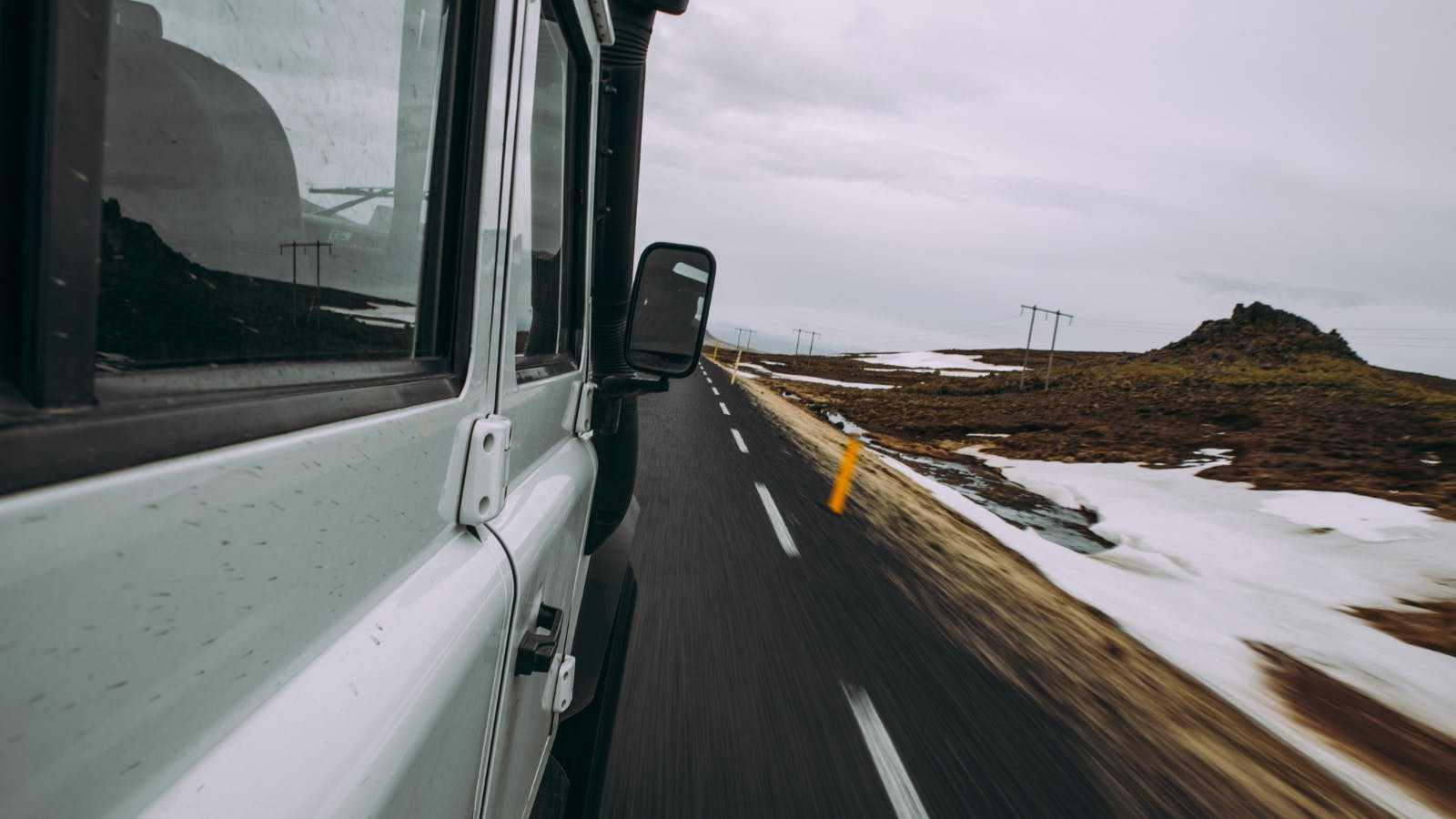
The weather in Iceland can be unpredictable and harsh. Windy conditions, snow, and ice can all make driving more of a challenge and can disrupt your plans. It’s worth noting, however, that this is always a risk when visiting Iceland, particularly in winter, and public transport can be affected by adverse conditions too. Hiring a car even gives you the flexibility to change your plans should the weather disrupt Plan A.
To minimize the disruption felt by poor weather when driving in Iceland, you should:
- Keep an eye on driving conditions via Road.is and follow weather forecasts via the Icelandic Met Office.
- Acquire adequate insurance to protect against sand and gravel damage while on the road.
- Always obey local driving laws and drive with care in poor visibility conditions.
4. Safety on The Road
General safety when driving around Iceland can be a concern if you’ve never visited before. It’s totally normal to feel a little nervous about getting behind the wheel in a new country—especially one where the weather can shift quickly, and road conditions can change from one valley to the next. For ultimate peace of mind, build a few simple “habits” into your driving day:
Drive defensively (and give yourself time)
- Take care at all times (it sounds obvious, but it really is the golden rule).
- Plan shorter driving days than you would at home. Photo stops, windy stretches, gravel sections, and one-lane bridges can all slow your pace.
- Take breaks—fatigue is a sneaky risk on long scenic routes.
Pick the right person to drive (and make a simple game plan)
- Choose the most experienced driver as the lead driver for your car rental.
- If you’re switching drivers, swap at a safe pull-off, not on a narrow shoulder.
- Make sure the driver is comfortable with manual vs. automatic (many rentals in Iceland are manual).
Speed limits, visibility, and the “rules that catch people out”
- Stick to speed limits at all times. Iceland enforces speed limits, and fines can be steep—limits are set for safety, not just paperwork.
- Headlights on, always—day or night—to help with visibility in changing conditions.
- Seatbelts for everyone (front and back) and keep distractions down—if you need to check maps, pull over safely.
Watch for animals (and treat “sheep country” like a hazard zone)
- Take extra care when driving past animals, especially sheep near the Ring Road and rural areas. They can appear fast and behave unpredictably.
- Slow down around animal warning signs and in areas with open grazing.
- Accidents involving animals can become your responsibility, so it’s worth being extra cautious.
Iceland-specific road hazards to know before you go
- One-lane bridges: Very common outside towns. Slow down early, look ahead, and yield sensibly—don’t assume the other car will stop.
- Gravel roads: You’ll often transition from paved to gravel with little warning. Reduce speed before the change, keep a longer following distance (flying stones), and avoid sharp braking on loose surfaces.
- Wind: Iceland’s wind is no joke—especially near cliffs, open plains, and around larger vehicles. Hold the wheel firmly and open the car doors with two hands so they don’t catch and swing.
Weather and road conditions can change fast
Before heading out (especially in winter or into remote areas), do a quick “conditions check”:
- Road conditions: the Icelandic Road and Coastal Administration (road.is) is the go-to reference.
Weather: keep an eye on forecasts and wind alerts; if conditions look rough, adjust plans. - Safetravel: their site/app is designed to help travellers stay informed and share location details with emergency services if needed.
Highlands and F-Roads: only with the right vehicle (and the right confidence)
- Do not drive off-road (ever)—it’s illegal and can cause lasting environmental damage.
- Do not drive on F-Roads unless you have a 4x4 (and you’re comfortable with rough terrain). These are mountain roads into the Highlands, and conditions can be demanding.
- Many F-Roads also include river crossings, which can be dangerous and are a common reason for breakdowns and water damage.
Our fleet includes a wide range of 4x4 rental options suitable for F-Roads.
- Nissan Qashqai 4x4: Versatile all-wheel drive crossover, perfect for Iceland’s varying terrain. Seats up to five passengers, so it’s ideal for smaller groups or families.
- Dacia Duster 4x4: Reliable, fuel-efficient, and perfect for exploring rugged terrain. Seats up to five passengers and is one of the most popular vehicles in Iceland.
- Suzuki S-Cross: A compact SUV that combines versatile performance and advanced technology. Perfect for couples or smaller groups.
What to do if something goes wrong?
- Iceland’s single emergency number is 112 (accidents, breakdowns with danger, medical emergencies, etc.).
- If you’re stuck in severe conditions, prioritize staying safe and calling for help rather than “pushing on.”
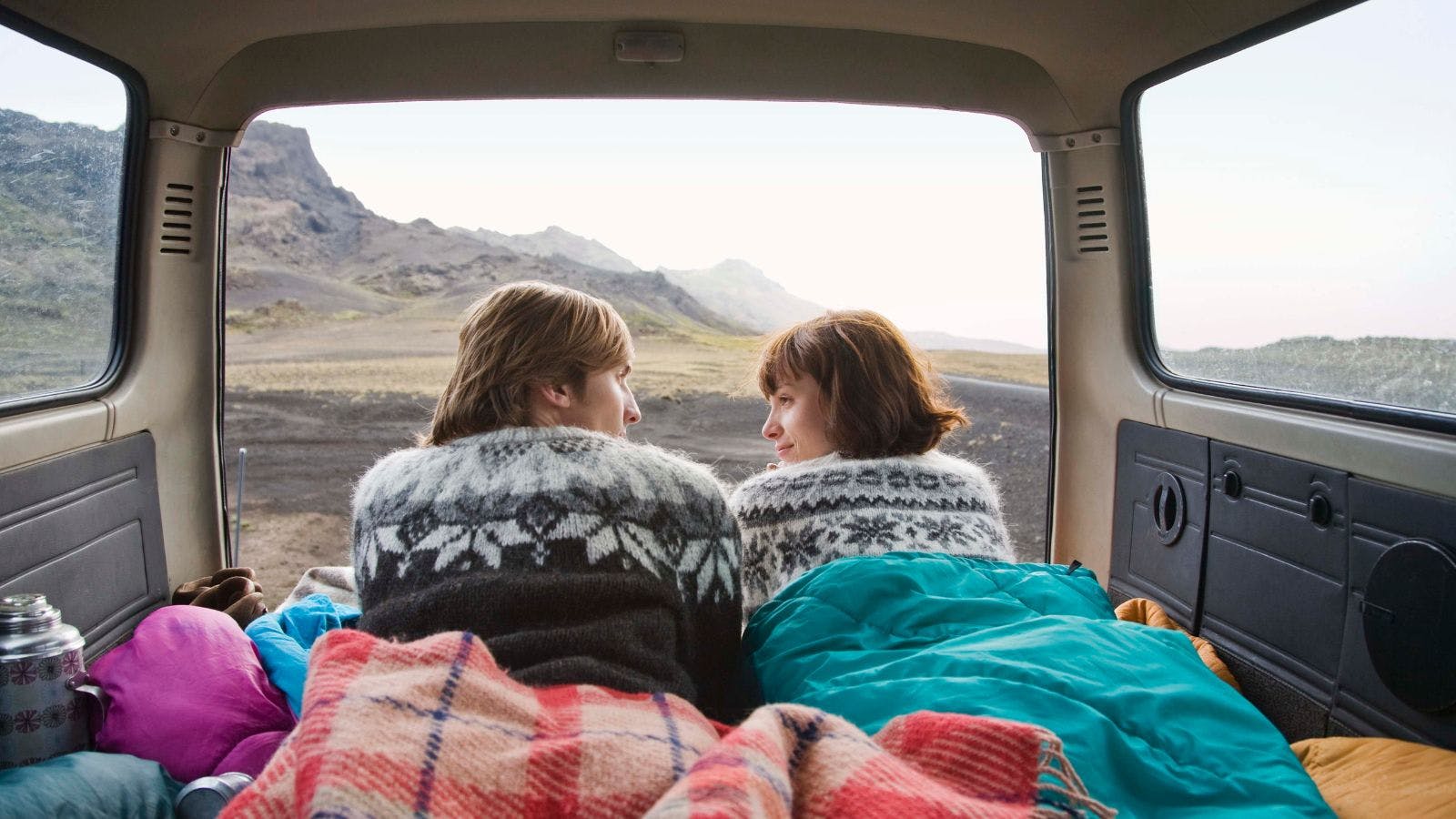
Deciding Which Type of Car to Rent in Iceland
So if you’ve decided that renting a car in Iceland is the right option for your visit, you might now need a bit of help selecting which car will be right for you and your group. There are a few things you should consider that can help you choose the right vehicle.
Iceland’s Weather Conditions
We’ve already touched on Iceland’s unpredictable weather. Precisely what time of year you’ve planned to visit can mean radically different vehicle choices for you and your fellow holiday-goers. Take into account whether you’re likely to encounter icy conditions, warmer weather, rain, and so on. This will help you decide on the right vehicle.
- Winter and shoulder seasons (roughly autumn through spring) can bring icy patches, reduced visibility, and suddenly changing road conditions—especially outside towns. It’s not uncommon for conditions to vary a lot even within the same day.
- Winter tires matter. In the colder months, you’ll typically want a rental that’s properly equipped for winter driving, and it’s common for winter tires to be required during the winter period (often cited as roughly Nov 1 to mid-April, depending on conditions).
- Wind is a year-round factor. Coastal roads and open plains can get very gusty, which can be uncomfortable in smaller vehicles and especially noticeable in taller vehicles like campers.
Terrain Variation
Where you’re going matters just as much as when you’re going. Iceland has a mix of:
- Smooth paved highways
- Narrower rural routes
- Gravel stretches
- Mountain roads (often rough, sometimes with river crossings)
Here’s how to match terrain to vehicle:
If you’re sticking to Reykjavík, the Golden Circle, and main paved routes:
A small 2WD car, such as the Hyundai i20, can be totally sufficient. You’ll still want to drive sensibly (Iceland’s rural speed limits differ depending on paved vs gravel roads).
If you’re doing a longer Ring Road trip (Route 1) with lots of detours:
A mid-size car, such as the Mazda CX-30, is usually a comfortable choice—more stability in wind, more luggage space, and a smoother ride on mixed road surfaces. If your itinerary includes a lot of rural exploring, upgrading to something with better handling/clearance can be worth it.
If your plan includes the Highlands:
This is where the choice becomes non-negotiable: Highlands access is via F-Roads, which are unpaved mountain roads and generally require a proper 4x4/4WD—plus the confidence to drive in rough conditions.
(And if river crossings are on your route, that’s a whole extra level of difficulty.)
Another reminder: off-road driving is prohibited in Iceland—so you always want to stay on marked roads/tracks, even if something “looks drivable.”
Seasonal Changes
It’s also worth remembering that during the winter months, the F-Roads in Iceland’s Highland areas will be closed. This might influence your decision to plan a longer road trip and, therefore, the need for four-wheel drive.
Choosing the Right Car for Your Itinerary
One of the main perks of hiring a car in Iceland is that it allows you to explore according to your own schedule. Therefore, your vehicle should match the itinerary you have planned for your time in Iceland.
- Reykjavík City Break: Reykjavík is a quirky and charming city, easily explored within a weekend or a few days. This will only require a hatchback or a fairly small car to complete.
- Ring Road Sightseeing: If you plan to stick to paved roads but perhaps a little further afield, you might need to look at weather and road conditions for your trip to make a more informed rental vehicle decision.
- Highland Exploration: The Highlands call many adventurers to its peaks and valleys, and it’s a stipulation that 4WD vehicles are required on F-Roads in these areas.
Iceland Hire Car Comparison
Not sure what your options are? There is a wide selection of car types available when looking to rent a car in Iceland - let’s take a look at the most common:
Small Cars
Our small hire cars typically fit at least 4 people with minimal space for luggage, available with manual or automatic transmission. Small cars or hatchbacks are great for keeping fuel costs low, as they are on the more efficient side. These are ideal for city driving or day trips on paved roads in good weather. We stock reliable brands including Mazda, Hyundai, and Toyota.
Mid-size/Large Cars
If you’re traveling with more members of the family or a group of friends, you might need a little more luggage space or more seats. If you’re sticking to main roads but still wish to maintain fuel efficiency, our mid-size models are ideal for your Iceland journey. If you have a large family or you’re traveling with a bigger group of friends, you may want to consider a large rental car, such as a Dacia Jogger, suitable for 7 or more passengers. Again, manual and automatic models are available from GO Iceland’s fleet. We stock brands including Renault, Mazda, and Ford.
4WD
If you want to be ready for anything or if the Highlands are on your Iceland itinerary, 4WD SUVs are the rental vehicle choice for you. Winter driving conditions might also warrant a four-wheel drive for ultimate peace of mind. Our 4WD models include Dacia, Hyundai, and Mazda.
Campervans
If you’re interested in saving on accommodation and combining your travel and stay in Iceland, campervans might be the option for you. What’s more, we also offer 4WD campervans so you can take to the F-Roads in your rental camper. Our camper models include reliable brands like Renault and VW.
Regardless of the type of car you choose, all of our rental vehicles include our additional services, such as:
- CDW Insurance
- Fully inclusive prices
- Free airport pickup
- Free cancellation (until 25 hours before pickup)
- No deposit
Browse our full range of rental models today and ensure you make the most of your time in Iceland. The open road awaits!
FAQs: Do I Need a Rental Car in Iceland, and What Kind?
Do I really need a rental car in Iceland?
Not necessarily—it depends on how you want to travel, but it’s usually a good idea to have a rental car in Iceland.
You’ll benefit most from a rental car if you want flexibility, plan to visit multiple regions (Golden Circle + South Coast, Ring Road, Snæfellsnes, etc.), or prefer stopping whenever you like for viewpoints and hidden spots. Public transport is limited outside Reykjavík, so self-driving often makes itineraries much easier.
You might not need one if you’re staying mostly in Reykjavík and only doing a couple of day trips. Many of the most popular routes (like the Golden Circle and South Coast highlights) can be done via guided tours, which removes the stress of winter driving and planning.
A good compromise is renting a car for part of your trip (for example, city/tours for a few days, then a rental for a road-trip segment).
What documents do I need to rent a car in Iceland?
You'll need three essential documents:
- Driver's License: A valid, full driver's license issued in your country of residence is required. International driving licenses are not mandatory, but can be helpful if your license isn't in English - in this case, bring both. You must have held your license for at least 1 year.
- Credit Card: A valid credit card in the driver's name is required for booking and vehicle collection at GO Iceland.
- Age Verification: Minimum age requirements vary by rental company and vehicle type. At GO Iceland, the minimum age to rent a car is 18 years old. Some companies require 21-23 years for standard cars or 4x4 vehicles.
Do I need an international driver's license for Iceland?
No, an international driver's license is not required for Iceland. A valid full driver's license from your country of residence is sufficient. However, if your license is not in English, an international driving permit (IDP) is recommended.
Can I rent a car in Iceland with a debit card?
Most Icelandic car rental companies, including GO Iceland, require a credit card for booking and deposit purposes. While some companies may accept debit cards, it's not standard practice and often comes with restrictions.
What's the minimum age to rent a car in Iceland?
The minimum age varies by rental company. At GO Iceland, you must be at least 18 years old with a minimum of 1 year of driving experience. 4x4 vehicles often require drivers to be 23+ years old. Always check specific requirements with your chosen rental company.
How do I choose the right rental car in Iceland?
Pick based on route, season, and group size: a small 2WD is fine for Reykjavík/Golden Circle and main paved roads in summer, a larger car/SUV adds comfort and stability for longer trips or winter conditions, and a 4x4 is essential if you plan to drive F-Roads/Highlands.
Do I need a 4x4 to drive in Iceland?
Not always. If you’re sticking to Reykjavík, the Golden Circle, and the main paved sections of the South Coast or Ring Road (Route 1), a 2WD can be enough in good conditions. You’ll generally want a 4x4 if you plan to drive F-Roads (Highlands), expect winter conditions, or want extra stability on gravel and in strong winds.
What are F-Roads, and can I drive them with a normal car?
F-Roads are unpaved mountain roads that lead into Iceland’s Highlands and remote interior areas. In practice, you should assume they require a proper 4x4/4WD due to rough surfaces and, on some routes, river crossings.
Are F-Roads open all year?
No—most are seasonal and typically open in summer only (exact dates vary by conditions and year). If Highlands driving is part of your plan, check road status close to your travel dates.
When are winter tires required in Iceland?
Winter tires are commonly stated as legally mandatory from November 1 to April 15. Many rental companies provide studded winter tires during this period.
Is off-road driving allowed in Iceland?
No—off-road driving is strongly discouraged and treated as highly damaging to Iceland’s fragile landscapes. Stick to marked roads and tracks (including F-roads where permitted) rather than driving “across” terrain.
Should I rent a small car or a bigger vehicle?
Choose based on route, season, and luggage:
- Small/compact: great for city & short, paved-route itineraries.
- Mid-size: more comfort, better for longer distances and luggage.
- SUV/4x4: best for Highlands/F-Roads and added confidence in rougher conditions.
If you’re doing long driving days or travelling with 3–5 people + bags, most groups appreciate the extra space.
Do I need an automatic car in Iceland?
You don’t need one, but if you’re not comfortable with manual (especially on hills, gravel, or in windy conditions), an automatic can reduce stress. Just note that automatics can be more limited/expensive—booking early helps.